Architecture ideas, explained in plain words
Each piece takes one idea that an architect, engineer or artist put in front of an audience and says what it means, without assuming you draw plans for a living.
How buildings behave
- Architectural behaviorology
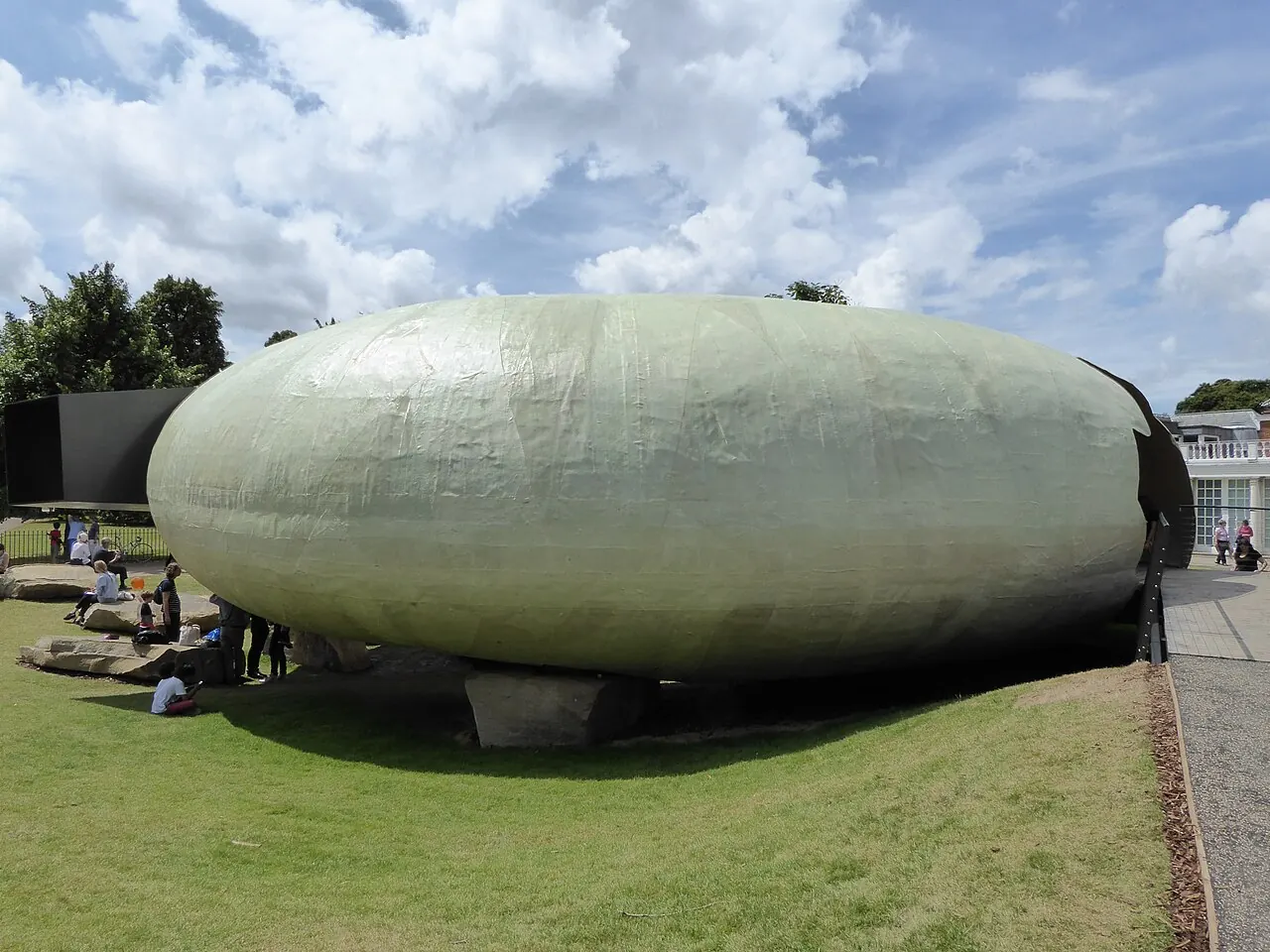
Yoshiharu Tsukamoto of Atelier Bow-Wow looks at buildings for their habits: what they do over time, and what people and weather do around them.
Climate as material
 Climate as a material
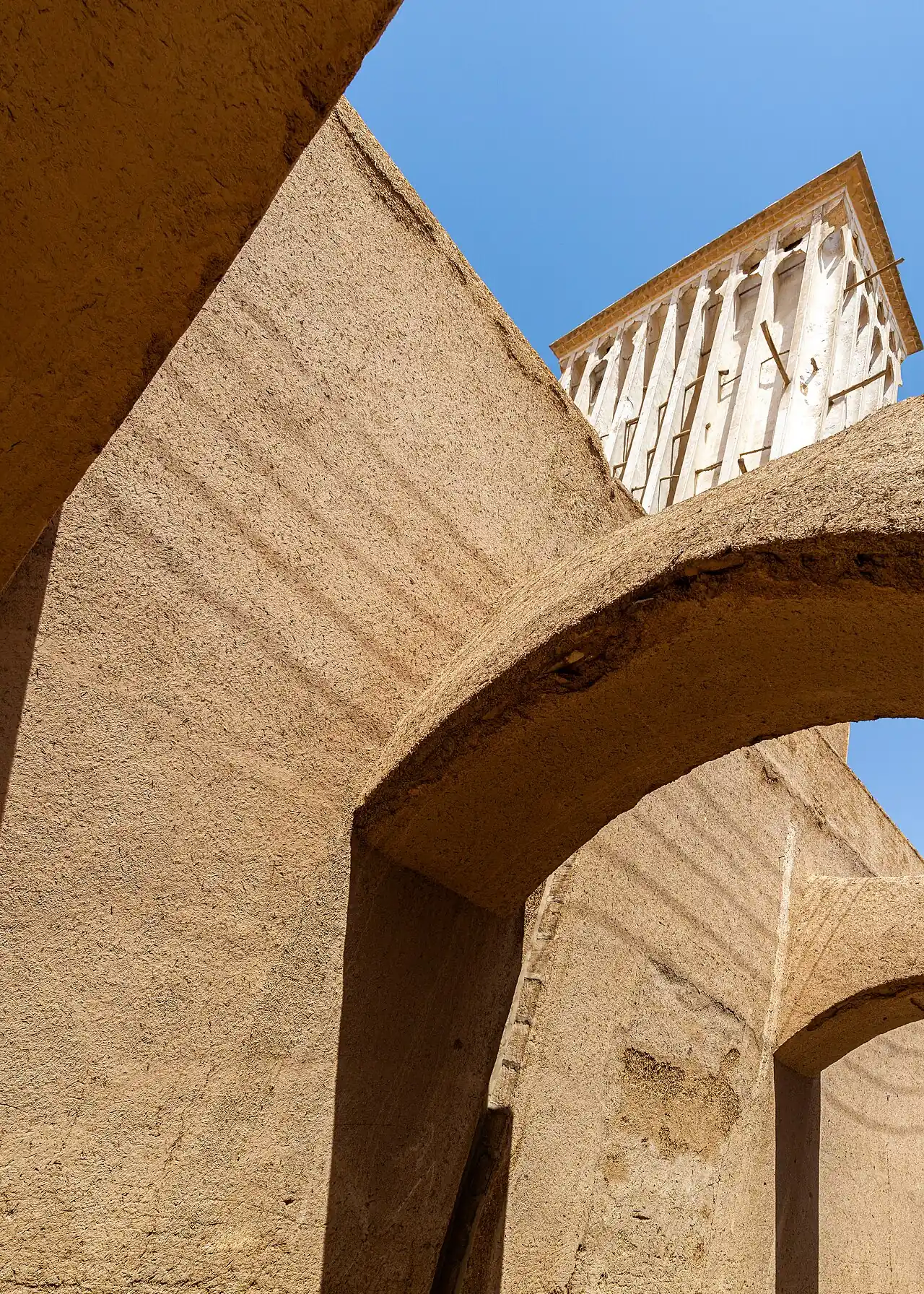
One speaker designs the air inside a room. The other makes whole buildings and cities use less energy. Both start with energy on the first day of a project.
 Energy and form
An engineer listed forms of energy from supernovae to home geothermal kits. The next speaker asked how much land the alternatives would need.
 Why shape does the work
Agustí Obiol explains tall towers and wide roofs with one idea: geometry sets the limit, and material multiplies it.
Art that builds
 An orange tree noise
How a Chilean architect showed his buildings with a short film, and why he put stories next to the drawings.
 Anarchitecture
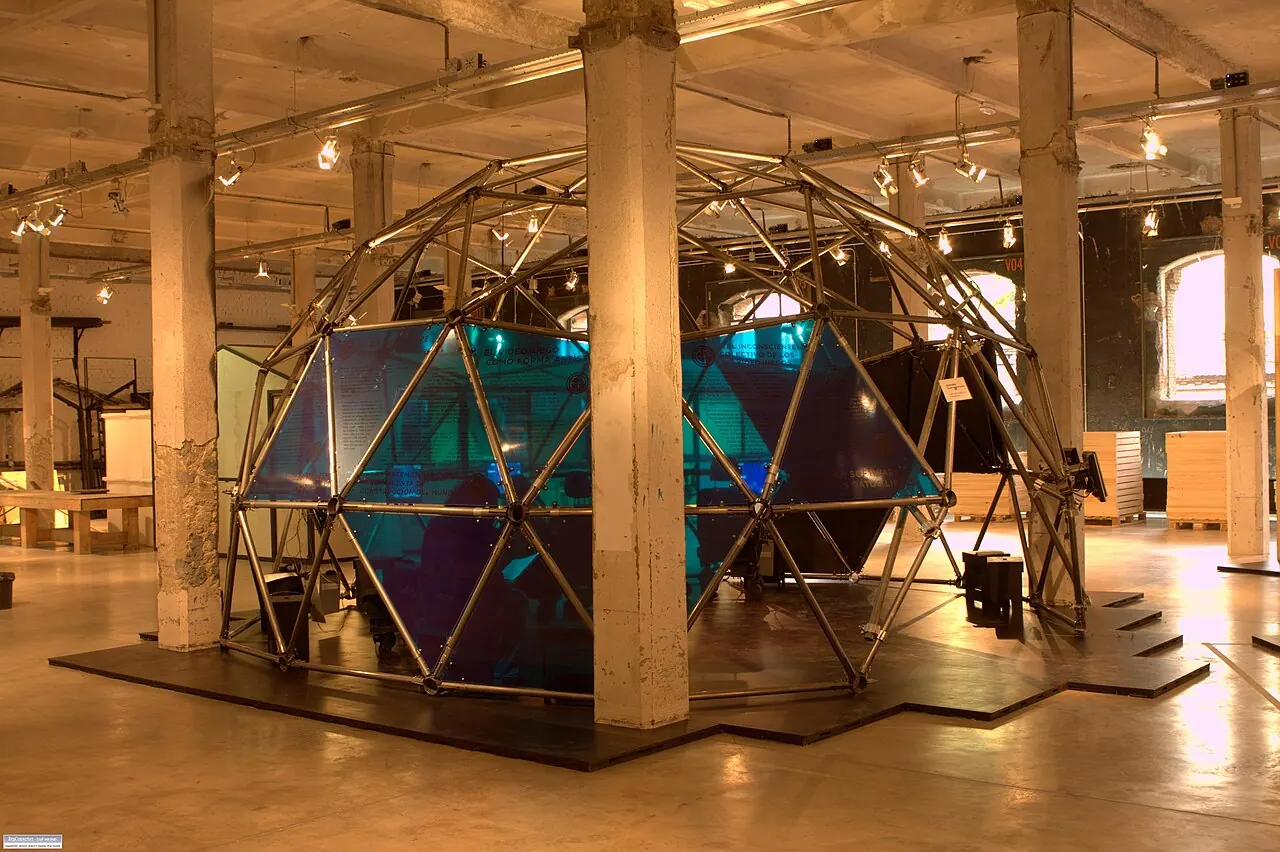
Gordon Matta-Clark’s term became the starting point for a seminar about space as something that makes things happen.
 Architecture and art
Vito Acconci spent years on the border between the two fields and still insisted that they are different things.
 How architecture is shown
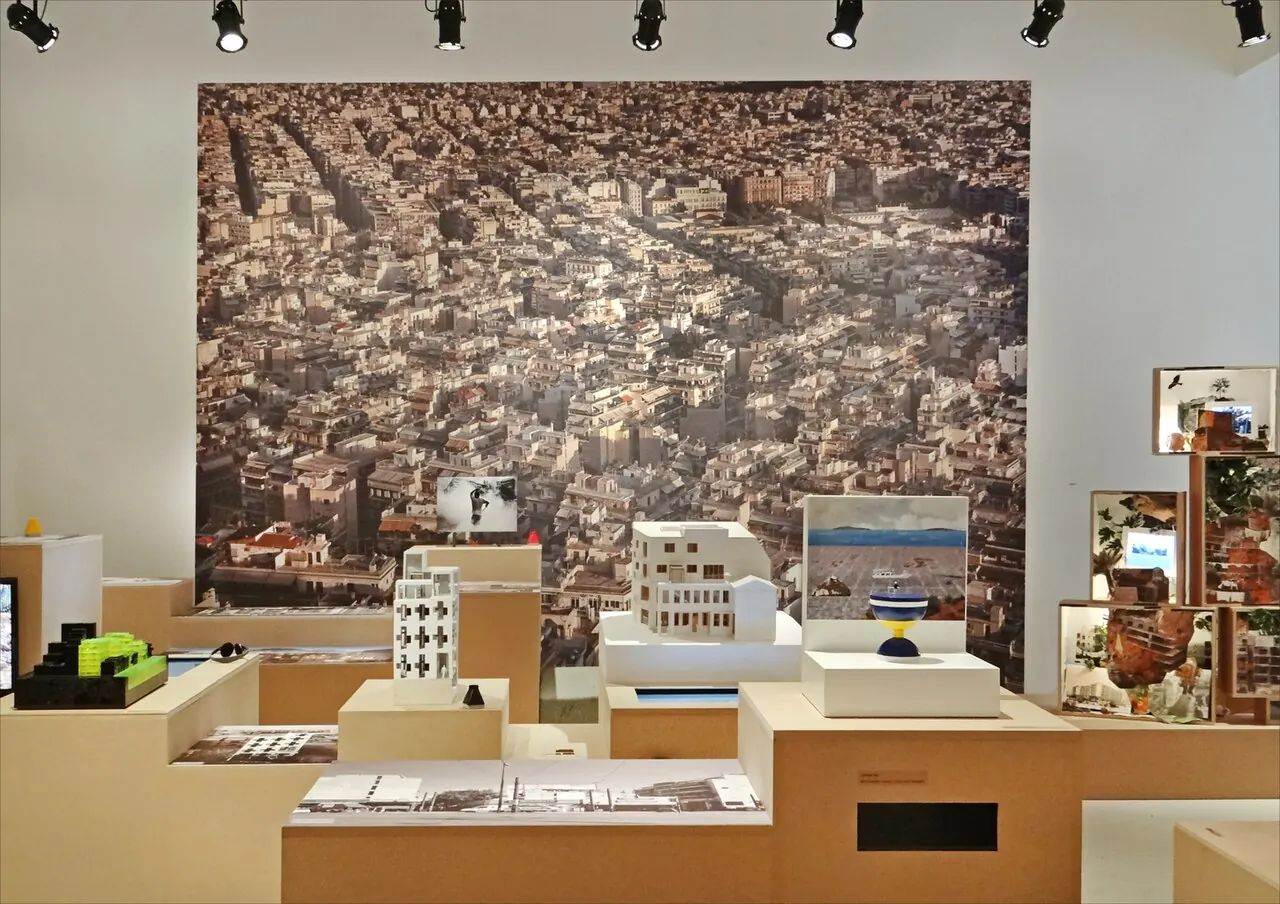
How buildings reach people who never visit them: a look at editors, curators and publishers.
City and ground
 Catalan Metabolism
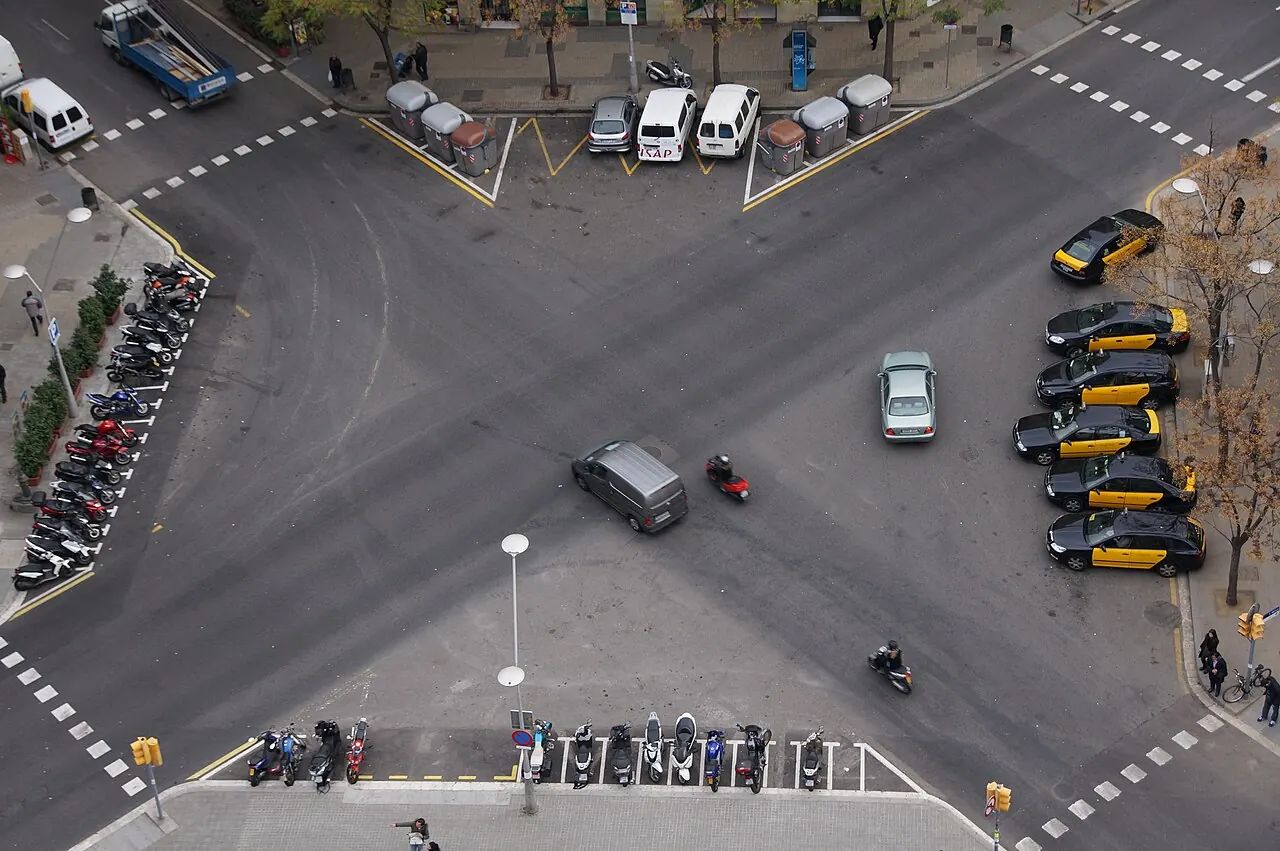
Every city changes at its own speed. A studio led by Yoshiharu Tsukamoto looked for Barcelona’s pace in the buildings of its neighbourhoods.
 Landform building
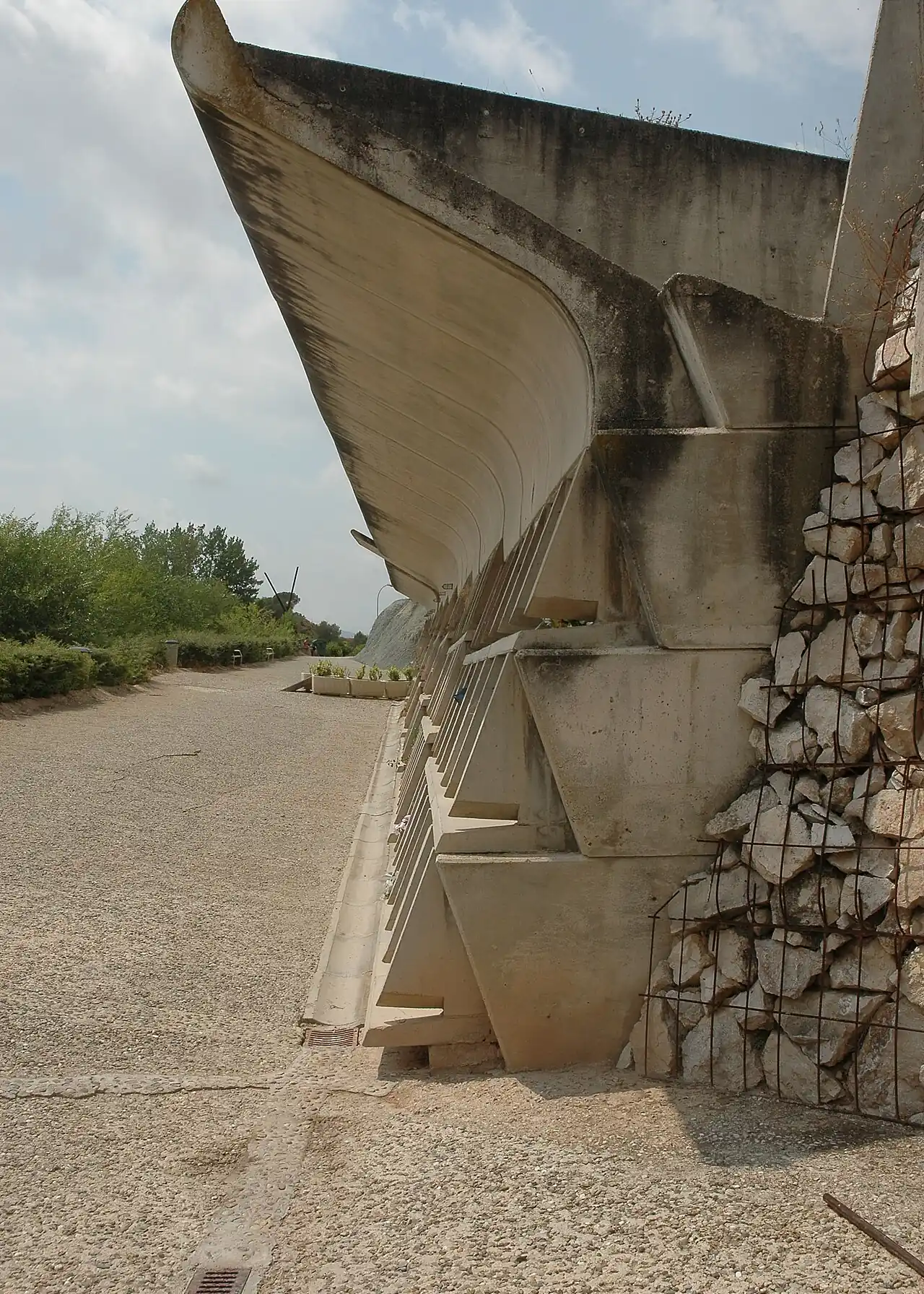
A book co-edited by Stan Allen follows a generation of buildings that behave like hills, slopes and sediments.
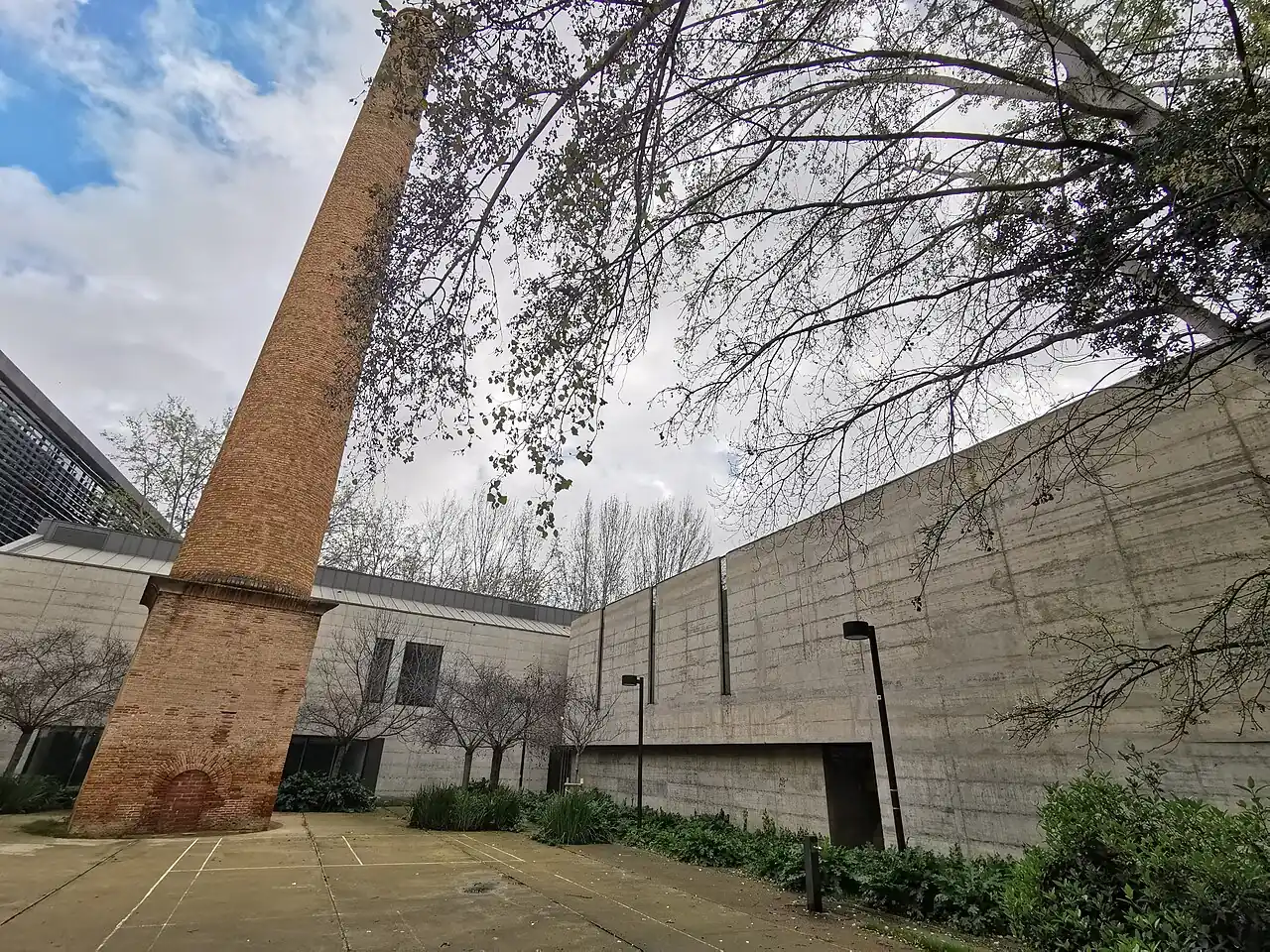 The city after industry
What holds a city together once factories stop organising it? A symposium split the question into four parts and paired Barcelona with Moscow.
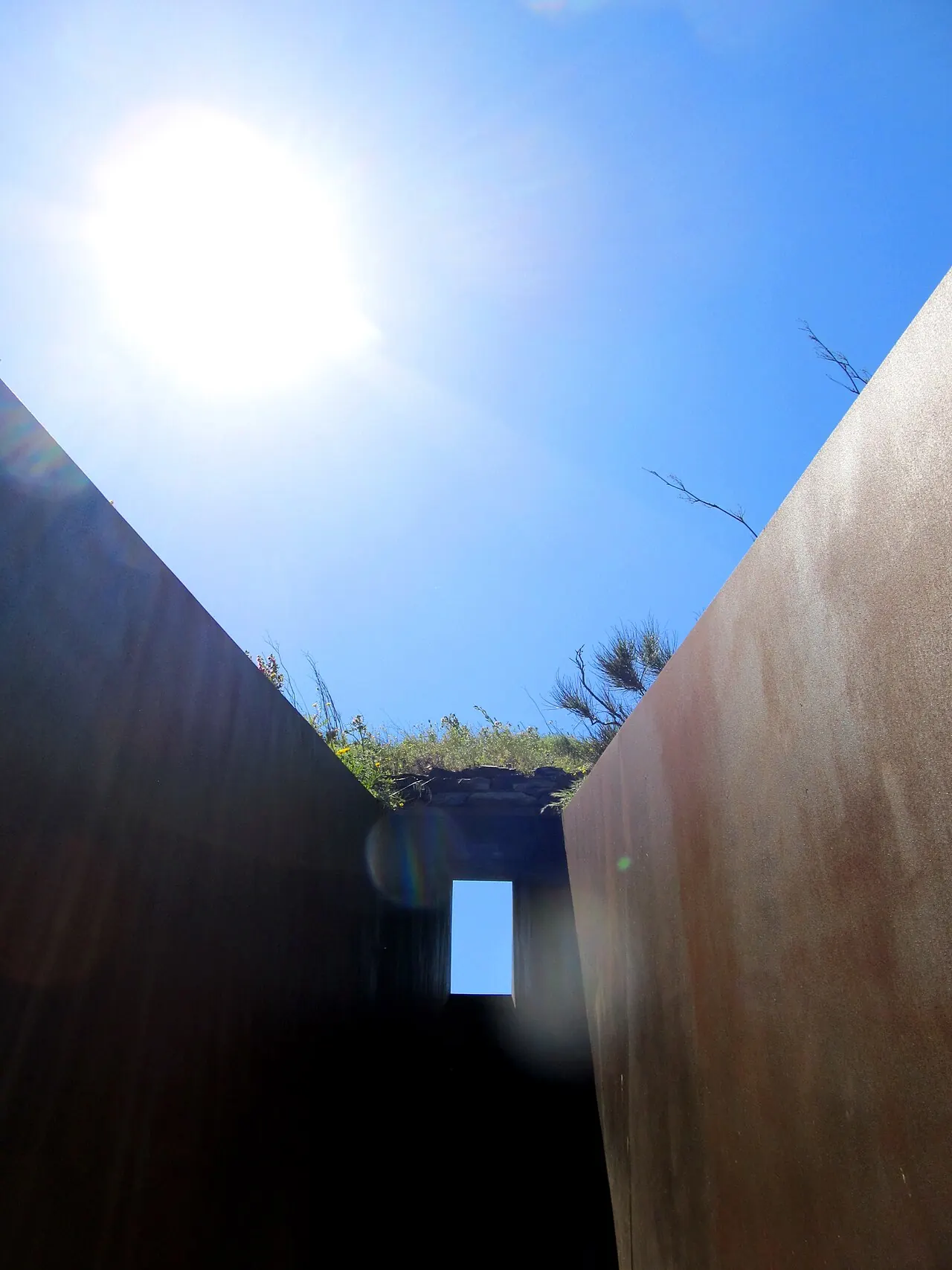 What is landscape?
An art historian and a professor of comparative literature both approached landscape as a word that needs some care.
- Common places
Toni Gironès looks for the intermediate spaces in a city, where nature meets the things people make.
Ways of making
- Four ways of practising
Panorama set out to put four studios in front of one audience, with short talks and a shared discussion.