How architecture is shown: magazines, websites, galleries and fiction
How buildings reach people who never visit them: a look at editors, curators and publishers.
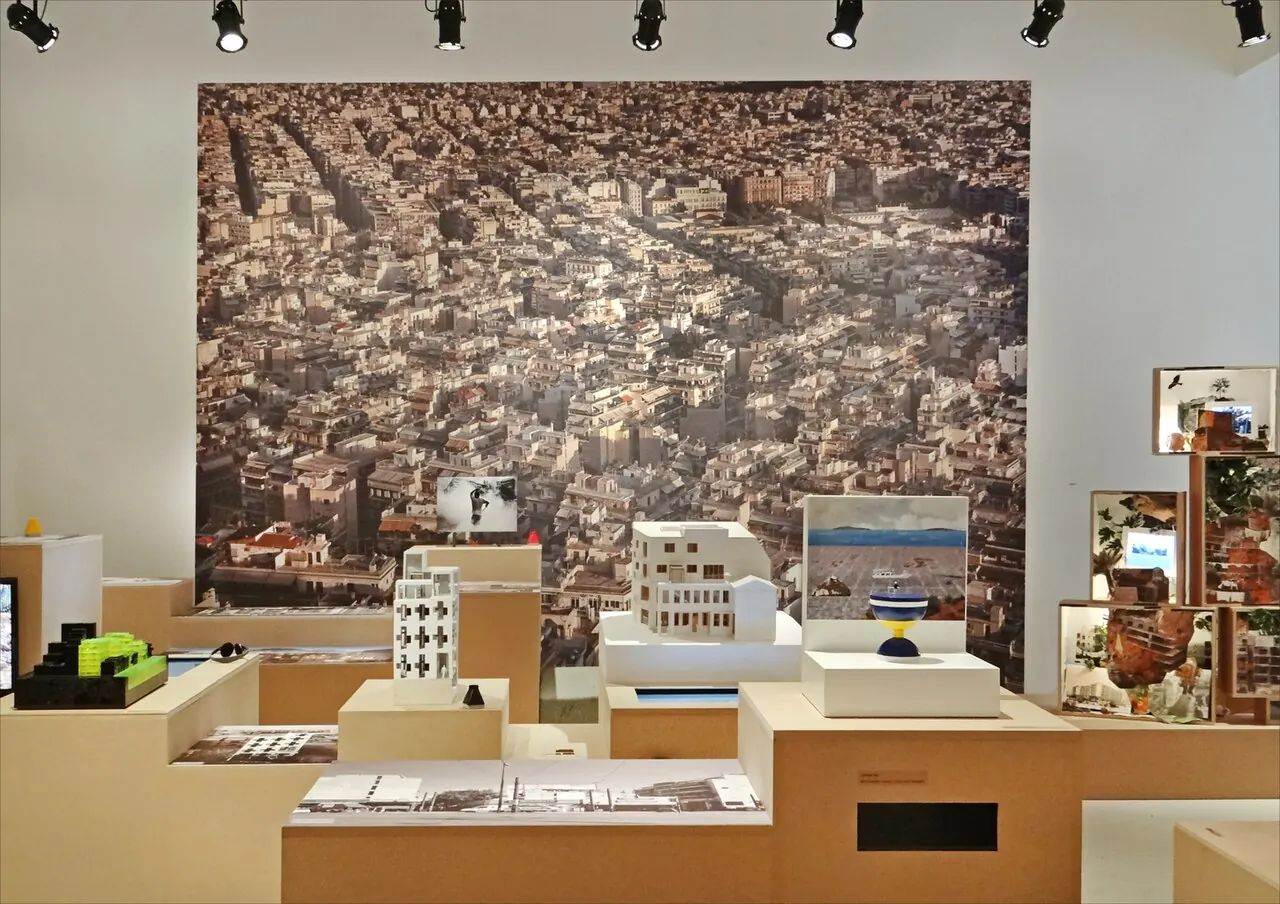

In Santiago de Chile, Felipe de Ferrari helped to found an online channel called 0300TV. It was set up as an audiovisual catalogue of buildings, interviews and events. It is one answer to a question about how architecture is shown: what reaches people who will never stand in front of the building?
De Ferrari was one of a dozen editors, curators, critics and publishers invited to a day of discussions directed by Jorge García de la Cámara. The subject was the “formats” of architectural knowledge, in other words the forms in which it is made and passed on. The surviving text was written before the event. It records the questions and the people, and the answers are missing.
Questions about print and screens
The organisers wanted to take architectural knowledge beyond the curriculum, the fixed list of subjects that students follow. They asked what print and digital media can do for criticism, and where their limits lie. They asked how universities and cultural institutions might support each other. A further question went back to teaching: how should a curriculum balance the topics that feed the profession?
The introduction describes knowledge as permanently evolving. Under that condition, it suggests, a shared framework has to come from many trades. This explains a guest list in which a web publisher sits beside a historian.
Websites and magazines
Paul Petrunia founded Archinect.com and Bustler.net, and has run a web design studio in Los Angeles. He studied arts and sciences before architecture, where digital media was one of his subjects.
Joana da Rocha Sá Lima is an architect who became a founding partner of Conditions, a Scandinavian magazine on architecture and urbanism. Before that she collaborated with architects in Berlin, Amsterdam, Rotterdam and Oslo.
Alicia Guerrero Yeste, an art historian and critic, founded ¿btbW/Architecture with Fredy Massad as a platform for critical research. She has also written regularly for the newspapers ABC and La Vanguardia, where architecture meets general readers. Mario Ballesteros has managed digital platforms and worked as a curator for the Disseny Hub Barcelona.
Galleries and curators
A gallery can also publish an argument. The Storefront for Art and Architecture in New York is a nonprofit space for exhibitions and events, committed to new positions in architecture, art and design. Joseph Grima came to it as director after working as an editor and adviser at Domus magazine.
Inês Moreira, an architect, researcher and curator who has been based in Porto, founded petit CABANON, a platform for curatorial research on space and culture. Curatorial research uses the making of exhibitions as a way to investigate a subject. Francisco González de Canales has coordinated a programme at the Architectural Association named Curatorial Practices/Cultural Products. He worked for Foster + Partners and Rafael Moneo before he set up Canales & Lombardero, and wrote a doctorate on radical domestic self-experiments of the forties and fifties.
Stories, interviews and drawing up a programme
Pedro Gadanho edited Beyond, a publication of short stories about architecture. He had curated exhibitions in London and Basel as well, so he knew more than one format from the inside.
Enrique Walker has used conversation. His books include 12 Interviews and Tschumi on Architecture: Conversations with Enrique Walker. Pier Vittorio Aureli represents another form, the research programme. He has been responsible for “Research On the City” at the Berlage Institute, and co-founded Dogma, a collective whose work centres on the project of the city. The architect and historian Pep Avilés completed the list.
Seen together, these careers show how many jobs stand between a building and the people who know about it. Several of the guests had done two or three of them.
Read next
- Pedro Gadanho
He has built houses, curated shows and edited a publication of architectural fiction. In an interview he explained what links them.
 Enrique Walker
An architect and critic whose books include interviews, conversations and one called Lo Ordinario.
- Hans Ibelings
A critic and historian who founded a magazine and wrote about tradition and globalisation in buildings.