Vito Acconci: from poetry to skate parks and islands
He studied literature, made performance art, and then founded a studio that designed benches, vehicles and an artificial island.
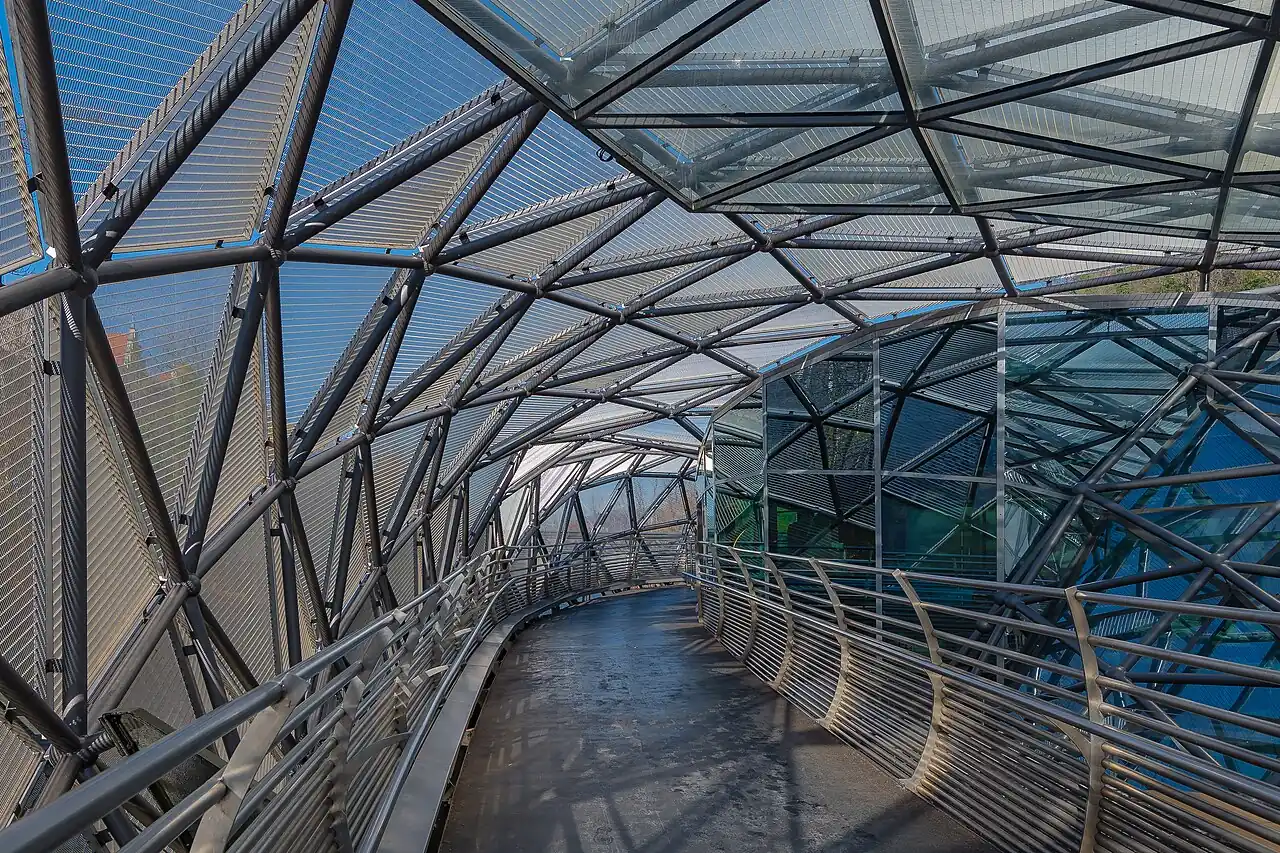

A bench shaped like a Möbius strip, the looped ribbon that has a single side. Ready-to-wear umbrellas. An underground skate park open 24 hours. Vito Acconci showed all of these in one talk about his work. They came from Acconci Studio, the experimental architectural practice he founded in Brooklyn.
A writer who moved into space
Acconci was born in the Bronx, New York. He took a degree in literature at Holy Cross College, then a master’s degree in literature and poetry at the University of Iowa. His early work was writing.
He went on to film and photography, performance art and multimedia installations. Early on he became interested in space, and in particular in what happens between the human body and public places. Later he moved into design and landscape architecture. He himself traced the turn to one museum installation that disappointed him.
What Acconci Studio made
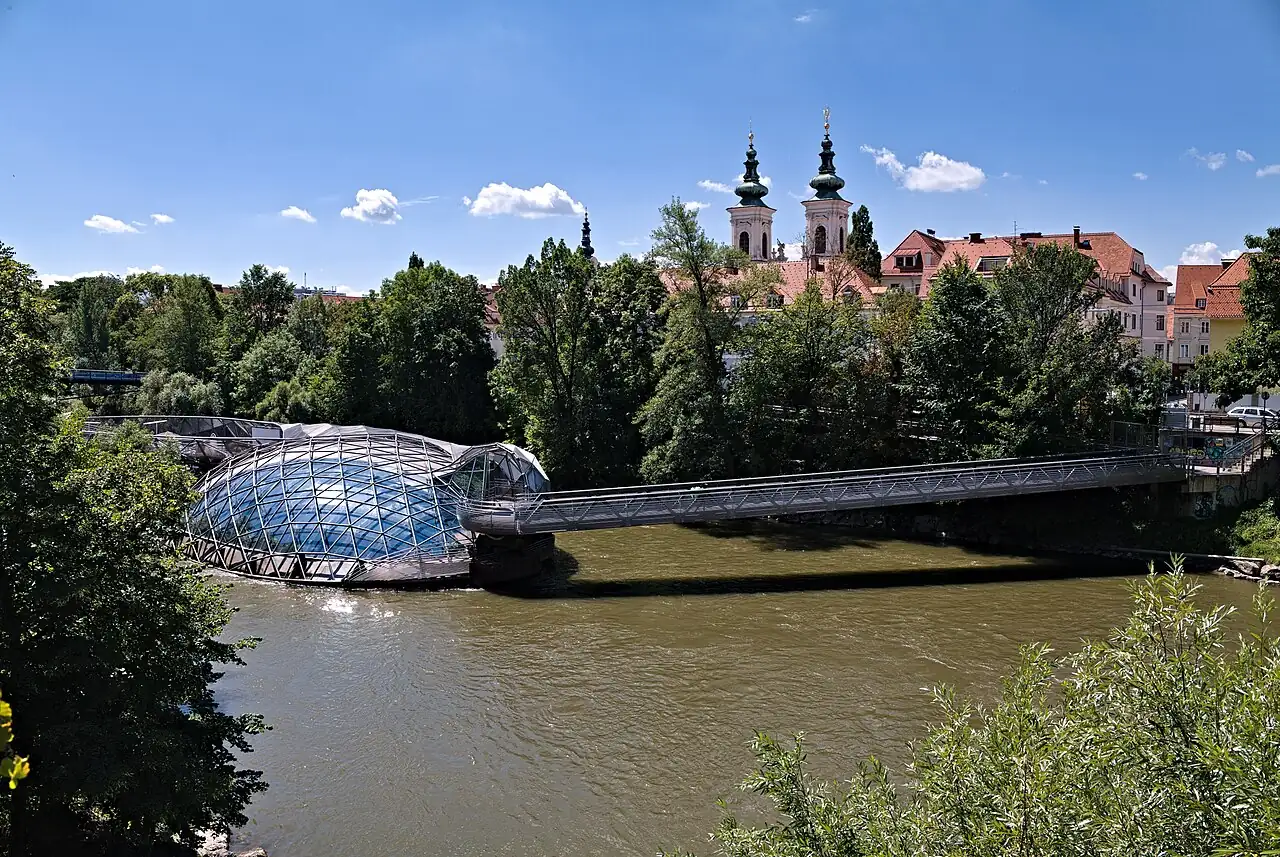
Mur Island in Graz is an artificial island. In Tokyo the studio designed the United Bamboo Store. Mr. Artsee is a vehicle described as a “mobile art laboratory”. In New York, Acconci designed the facade of the Storefront for Art and Architecture together with Steven Holl.
Other projects attach themselves to something much larger. The review of his talk uses the word “parasitic” for large interventions for stadiums. One skate park has a title that reads like a line of verse: A Skate Park that Glides over the Land & Drops into the Sea.
The reviewer saw a common thread in this range. Acconci’s work asks how public space can connect people.
Teaching and talking
Acconci taught widely. The list includes the Nova Scotia College of Art and Design, the California Institute of the Arts, Cooper Union, Yale University, Pratt Institute and Parsons. At Brooklyn College he taught performance and interactive media arts.
The talk was called “No Idea Without Things. No Space Without Time”, and it covered the studio’s projects. The classes that went with it looked further back. In them he concentrated on his experiments with poetry, film and performance, and on his early thinking about space.
Read next
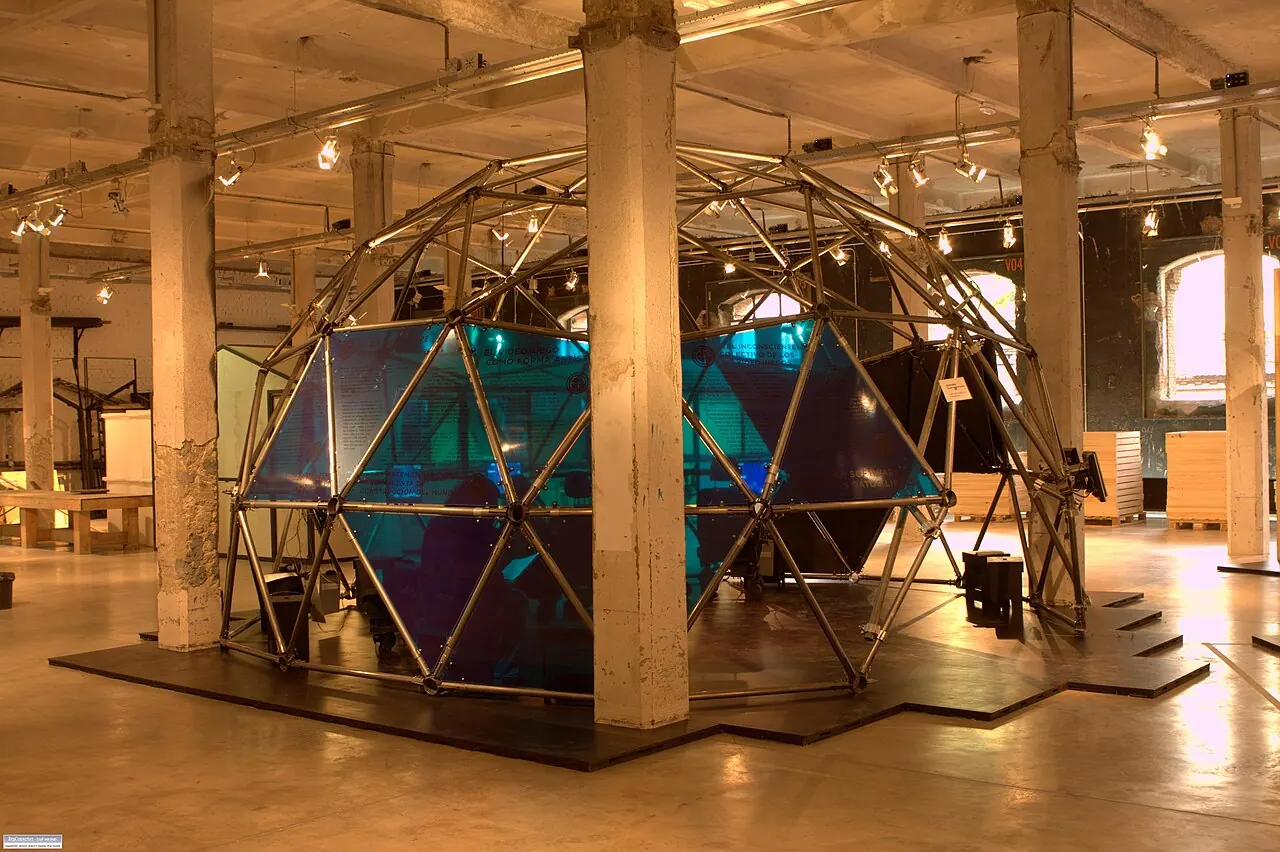 Architecture and art
Vito Acconci spent years on the border between the two fields and still insisted that they are different things.
 Anarchitecture
Gordon Matta-Clark’s term became the starting point for a seminar about space as something that makes things happen.
- John Knight
A pack of cards, covered windows and a telescope: three works that ask visitors to notice where they are standing.