Anarchitecture: Gordon Matta-Clark’s word and three artists who picked it up
Gordon Matta-Clark’s term became the starting point for a seminar about space as something that makes things happen.
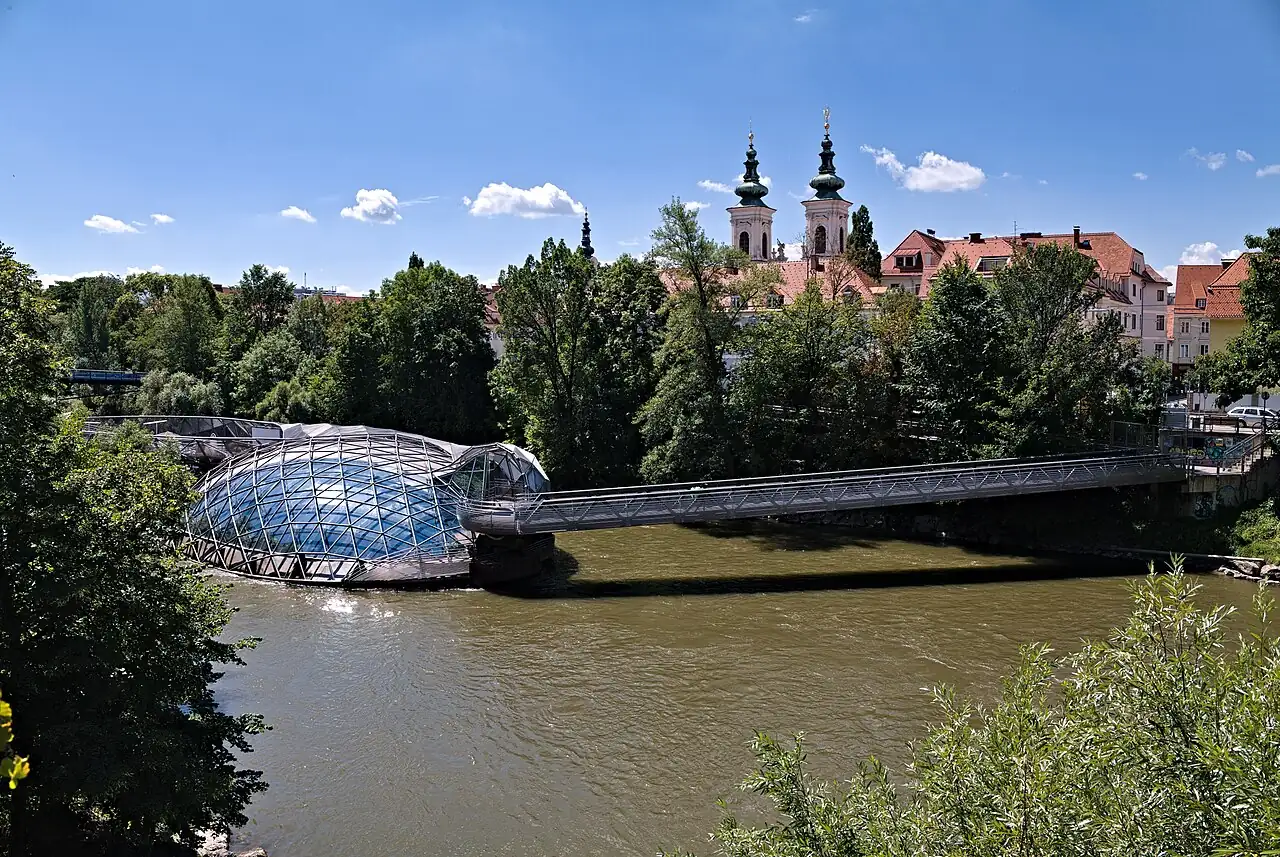

Gordon Matta-Clark’s Bronx Floors: Threshole is the first picture in the notes for a seminar series on anarchitecture. The word was central to the way Matta-Clark worked. The seminar borrowed it as a point of departure and handed it to three artists: Vito Acconci, John Knight and Rirkrit Tiravanija.
Art curator and critic Gloria Moure directed the series. Its full title was “Anarchitecture: An expanded approach to architectural practice”. The subtitle gives the direction. Architecture is treated here as a wide field, with room for art, criticism and politics.
Space that sets things in motion
The notes make one clear claim. Space, they say, can be a generator, something that starts things off. The more familiar view sees it as a container, a box that activities are put into. Each of the three artists was to deal with the creation of space on these terms. That included space that is never built.
The notes also see the city and its buildings as two things at once: a metaphor for the human condition and part of its reality. From there the seminar set out to find links between politics, criticism and art. It hoped to give modern architectural theory a new use, and to treat architecture and planning as flexible activities that produce things and have an aesthetic side.
The notes give no short definition of anarchitecture. A reader has to work it out from the people who were invited.
Vito Acconci works on what is already there
Acconci came to design from poetry and performance art. He described his recent projects as “operations”. They tend to be fairly small and to come in clusters, and they count on people taking part. They also begin from something that exists. The designer steps into a situation and changes it, so there is no blank sheet at the start.
This way of working suits a team such as Acconci Studio. It also raises a question about control: who decides how a place is used? Acconci’s answer is direct. “The biggest responsibility of an artist or architect,” he said, “is to try to make a kind of architecture that people can really control themselves. I don’t want people to be subordinate to architecture.”
A review of his talk calls the result an architecture of “loose ends”, one that resists fixing uses and behaviour in advance. Acconci used the language of storytelling: “architecture is worth it when it thickens the plot.”
John Knight questions the way things are displayed
Knight, from Los Angeles, keeps his distance from the label of Conceptual Art. The notes point to his focus on space, on making work on site, and on the vernacular, meaning ordinary local ways of building and making.
He is critical of the methods of display and visual communication that come with consumer culture, and he includes art in that criticism. The notes say that the aim is a deeper reflection on politics and economics.
Rirkrit Tiravanija makes rooms for cooking and music
Tiravanija was born in Buenos Aires and has been based in New York. His installations are usually structures for living and spending time together. They are stages or rooms where people cook, share meals, read or play music. The link with the seminar’s claim is easy to see, because here a room is made so that people will do something in it.
He has had solo exhibitions at the Musée d’Art Moderne de la Ville de Paris, the Serpentine Gallery in London and the Museum of Modern Art in New York. His group shows include the Whitney, São Paulo, Sharjah and Venice biennials. He also co-founded The Land Foundation in Chiang Mai, Thailand. The project combines contemporary art with traditional farming.
Tiravanija was announced as the last of the three guests. The notes describe his work, and they do not report what he said in the seminar.
Read next
 Vito Acconci
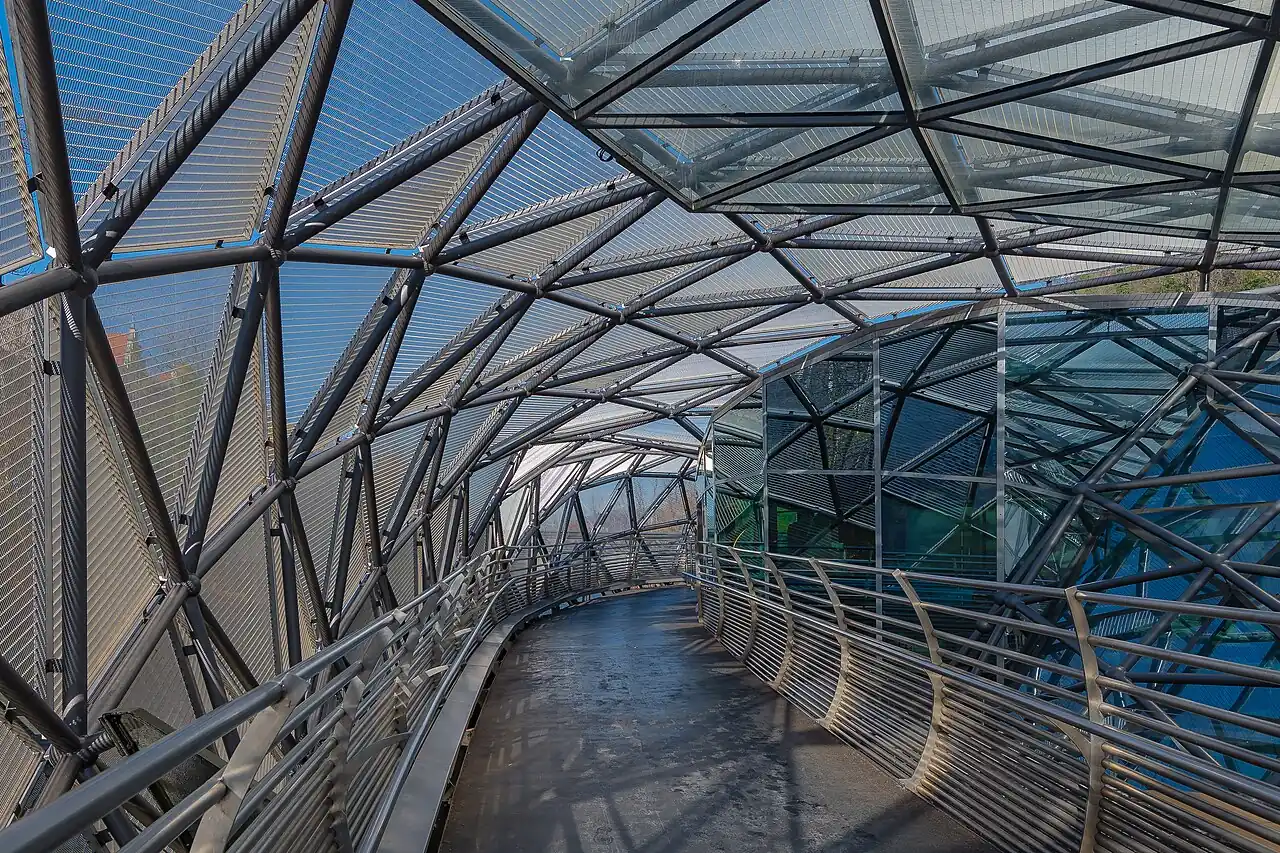
He studied literature, made performance art, and then founded a studio that designed benches, vehicles and an artificial island.
- John Knight
A pack of cards, covered windows and a telescope: three works that ask visitors to notice where they are standing.
- Gloria Moure
An art historian who built an architecture seminar around three artists.