An Orange Tree Noise: Smiljan Radić and “soft data”
How a Chilean architect showed his buildings with a short film, and why he put stories next to the drawings.
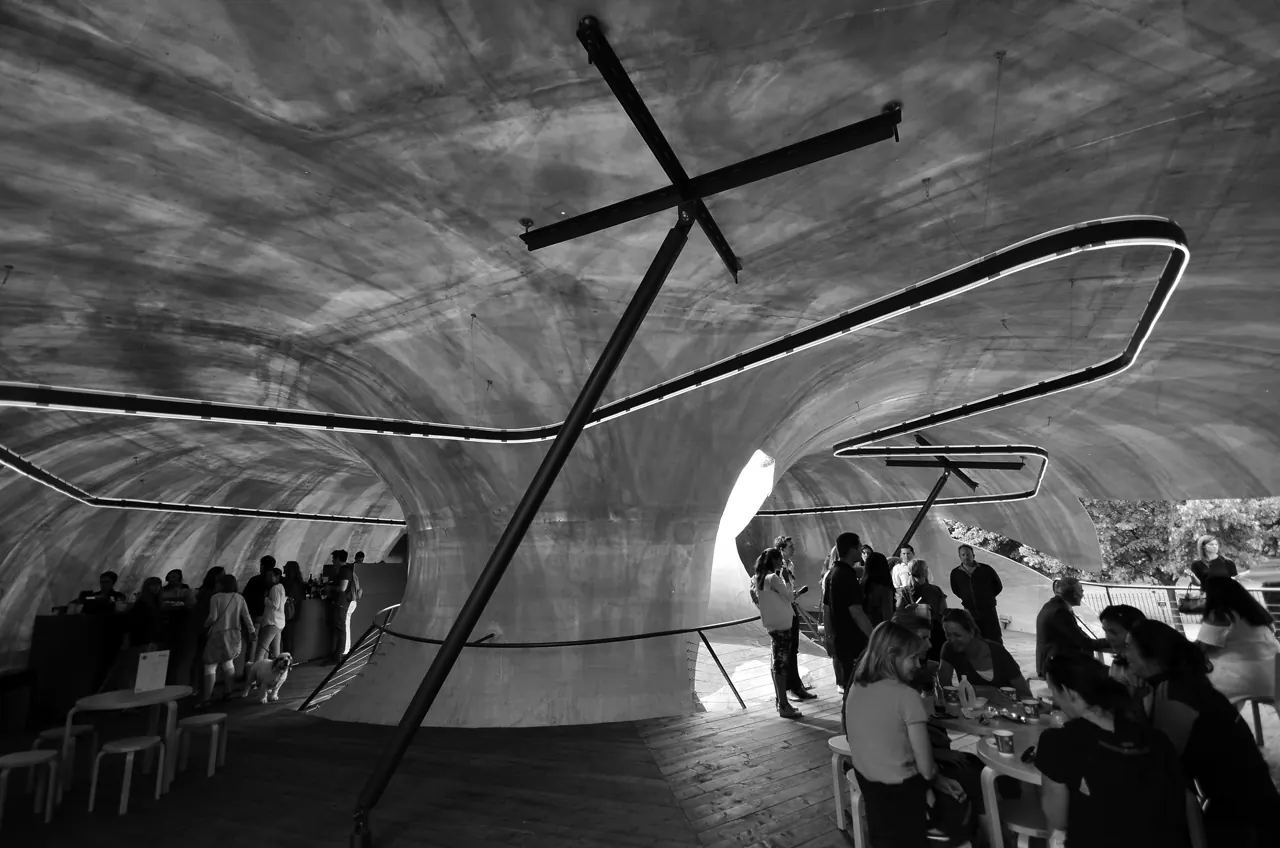

Elephants in circus tents. Ford trucks covered in dust, crossing a desert. Nomads, and shacks on remote islands. These are some of the images Smiljan Radić put on screen when he was asked to explain his architecture. He called this kind of material “soft data”.
The talk was titled “Un ruido naranjo”. It has been put into English as An Orange Tree Noise, and also as An Orange Noise. No report of the evening explains the title. A reviewer later used the orange noise as a name for the mood in the room.
A film where the slides should be
Radić is soft-spoken, and he said little. He told the audience how the talk had come about and added a few thoughts on Spain and Chile. Then he let a video take over. He had made it for that occasion.
To one person watching, the film felt like an old slide projector, with one odd and private scene after another in no clear order. Radić’s buildings appeared among them. They had no chapter of their own. A shot of a project could sit beside a whisper, a monolith (a single large block of stone) or a group of nomads.
Soft data and hard data
An architect usually presents a building with its “hard” data. This means the programme, which is the list of what the building has to contain, and the calculations behind it. Data of this kind dominates the standard presentation.
Radić’s soft data is everything else that sticks to a project. It can be a story or an anecdote, a piece of somebody’s life, or plain chance. He attaches these things to his projects and shows them beside the work. They carry the feeling and the storytelling that a table of areas leaves out.
A second phrase of his, “projecting in the rough”, goes with this. The reviewer understood it as a conviction: load a thing up with care until its essence comes out.
Clear-cut and diffuse
Radić spoke of two different settings. As a student he met the Spanish architecture of the day and found it “clear-cut”. The realities around him were different. He described them as “diffuse”, and at times they were precarious.
Miquel Adrià, the founder of the architecture magazine Arquine, introduced him with distance in mind. Adrià is a Catalan who moved to Mexico. He said: “In order to understand, one must look for commonality from afar and for difference from up-close.” From afar, he placed Radić in a young generation of Chilean architects with a strong presence abroad. Up close, he pointed to the training in Venice, the aesthetic and the variety of the works.
What people asked afterwards
The talk could be hard to follow, and its range of references was a little intimidating. The questions from the floor still found their way to concrete subjects. People asked about architecture as craft and about architecture as a story. They asked about buildings that withdraw, and about buildings that embrace the landscape.
The reviewer left with the sense that the talk had worked by atmosphere. An audience had gathered to listen to the same tales for a while, much like the wandering groups in Radić’s film.
Read next
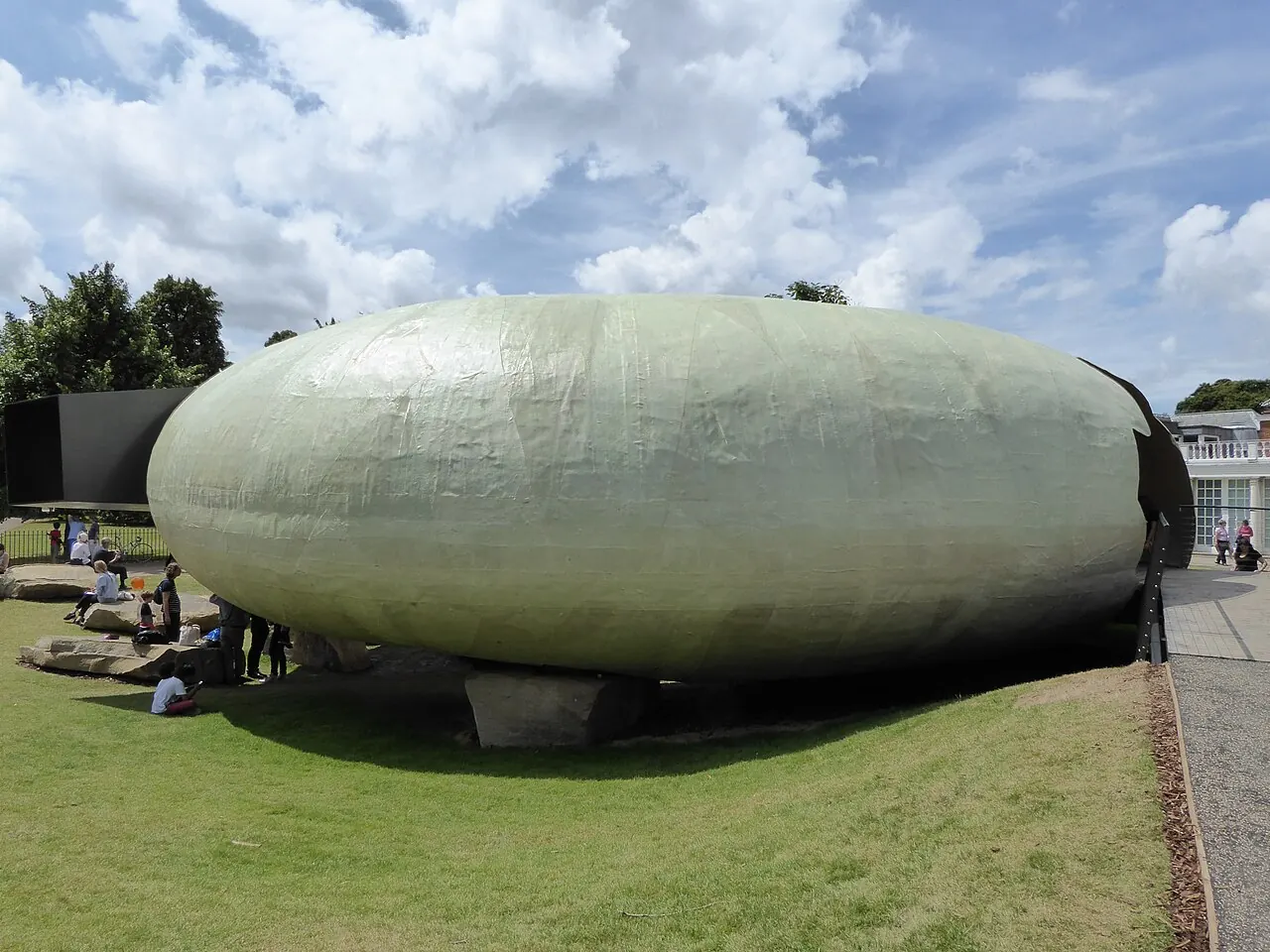 Smiljan Radić
A Santiago architect who moves between fragile structures, plain houses and large public commissions, often with a sculptor beside him.
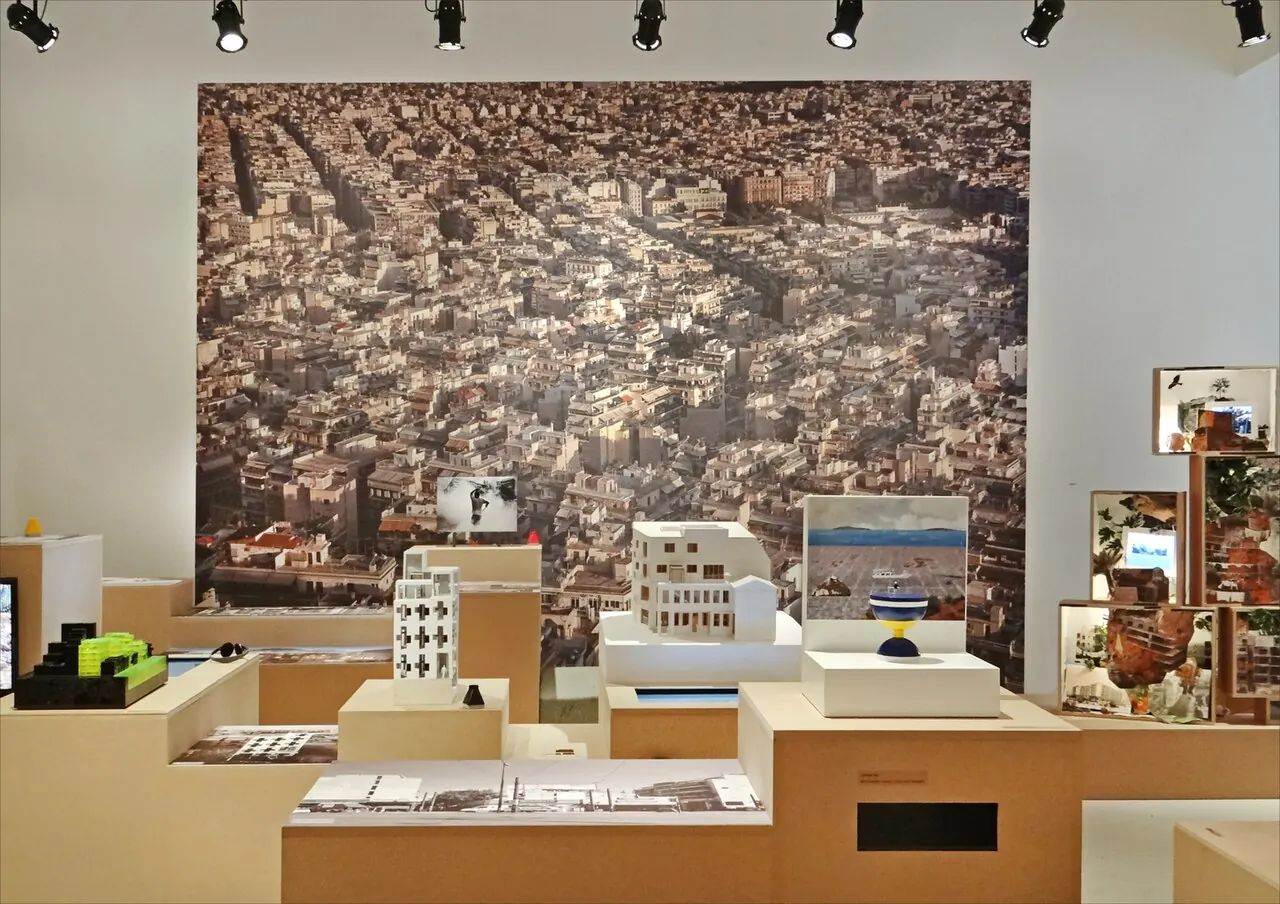 How architecture is shown
How buildings reach people who never visit them: a look at editors, curators and publishers.
- Common places
Toni Gironès looks for the intermediate spaces in a city, where nature meets the things people make.