The difference between architecture and art, according to Vito Acconci
Vito Acconci spent years on the border between the two fields and still insisted that they are different things.
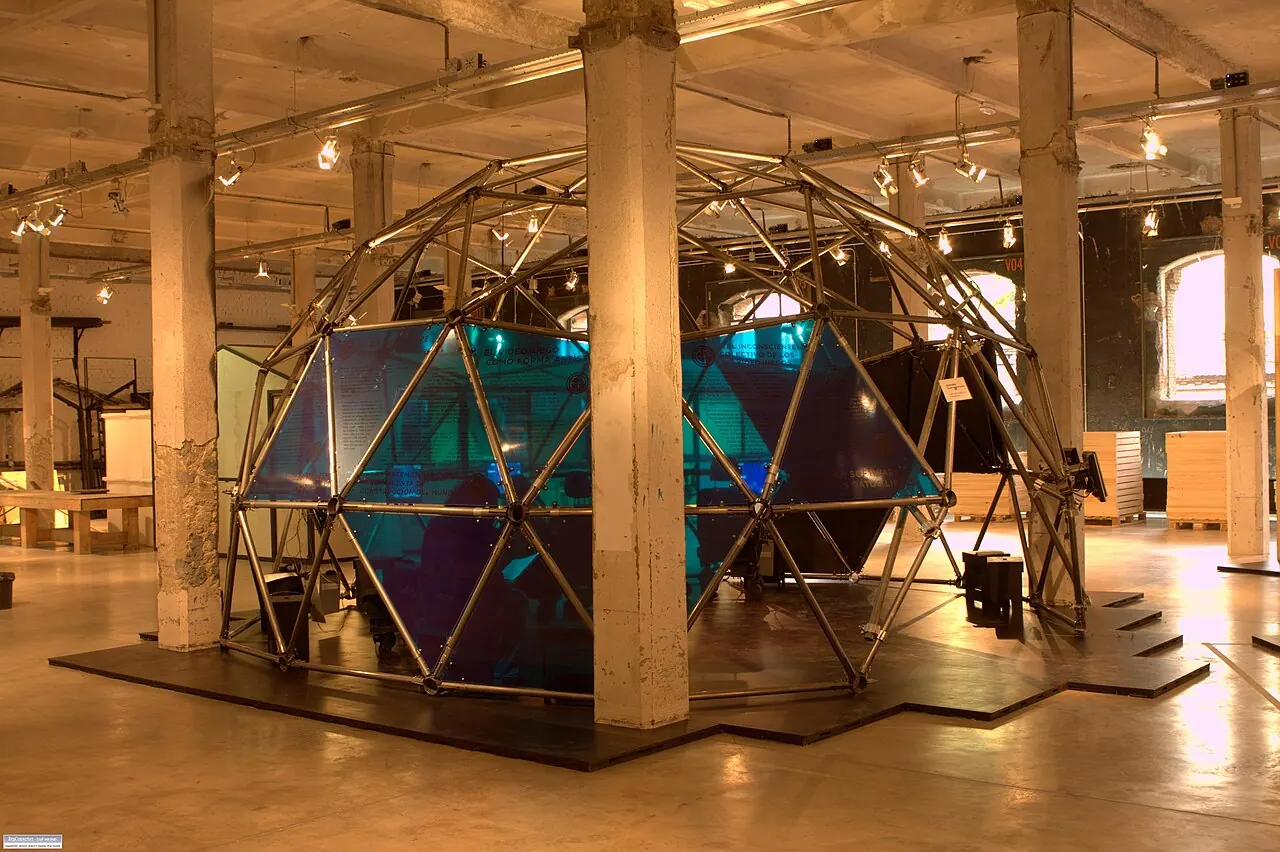

“Do not touch.” When Vito Acconci talked about the difference between architecture and art, he brought up that museum sign. While the signs stay up, he argued, they confirm that the art is considered more valuable than people. For that reason he thought a gallery or museum would probably never be a public space.
Acconci had reason to think about it. He had been a performance and installation artist before he turned to landscape and architecture. In a seminar directed by the curator Gloria Moure, and in a public talk, he went back over that path. A review placed him on the margins of both fields and said he seemed at ease there. It added that he kept insisting on the distance between them.
Seeing keeps you at a distance
His distinction is about involvement. Art and architecture, he said, differ in how much they involve the person who uses them. Looking is a kind of distance, even when you look actively. To look at art, for Acconci, is a different matter from being in architecture, and seeing alone is too little.
The word he chose was user, where a museum might say viewer. You can stand in front of a picture and take it in with your eyes. A room puts you inside it.
An installation that fell short
Acconci dated his own move from art to architecture to one installation, “Where we are now? (Who are we anyway?)”. He wanted to treat the museum as a communal meeting space. The experience did not live up to what he had hoped for.
Around that time he began to look outside, at public space. He also approached established professions: architecture, landscape architecture and industrial design. Later he founded a studio to work in them.
People who can change the place
The review finds one thing again and again in the projects he showed, from umbrellas to interventions in stadiums. It calls it interaction, and explains it as the power to connect people through public space. Acconci described what drew him in: “The interesting thing about architecture,” he mentioned, “is not only that people can go through it, but that they can also change it”.
According to the review, the studio’s work challenges habits and breaks rules by proposing new ways to use a space. The reviewer links this to a belief that architecture should keep challenging itself.
Others on the same border
Two more artists were named for the seminar, John Knight and Rirkrit Tiravanija. The notes say that all three deal with the production of space, and that they look at the ties between architecture and politics, criticism and aesthetics.
Chus Martínez, a philosopher, art historian and curator, was invited to the same series of talks. She studied philosophy and art history at the Universitat Autònoma de Barcelona, and curatorial studies at Bard College in New York. She has directed the Frankfurter Kunstverein, worked as a curator at Sala Rekalde in Bilbao, been chief curator at the Museu d’Art Contemporani de Barcelona and served as guest curator at the 29th Bienal de São Paulo.
Her talk was announced under the title “Art, Culture, and The Need to Stop Making Sense”. The announcement does not say how she meant to make that case.
Read next
 Vito Acconci
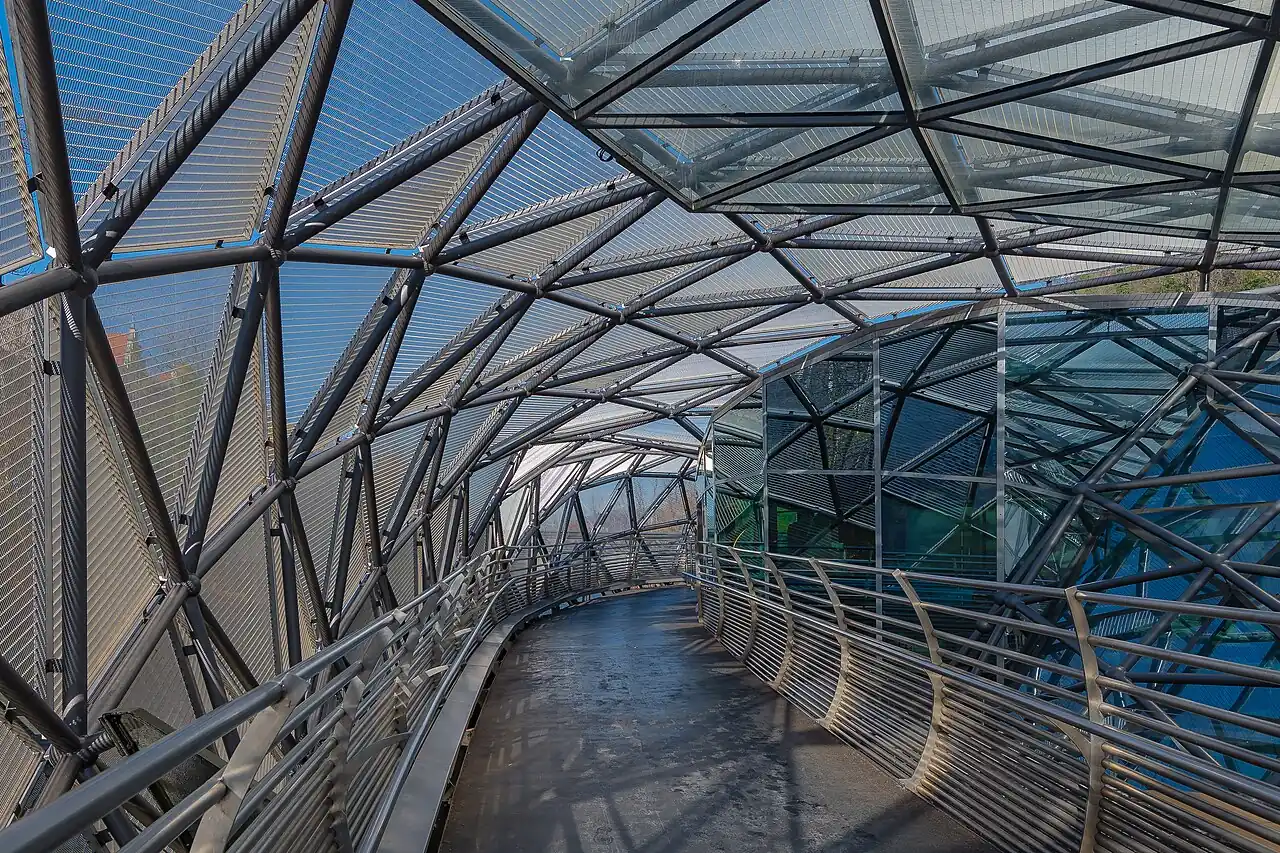
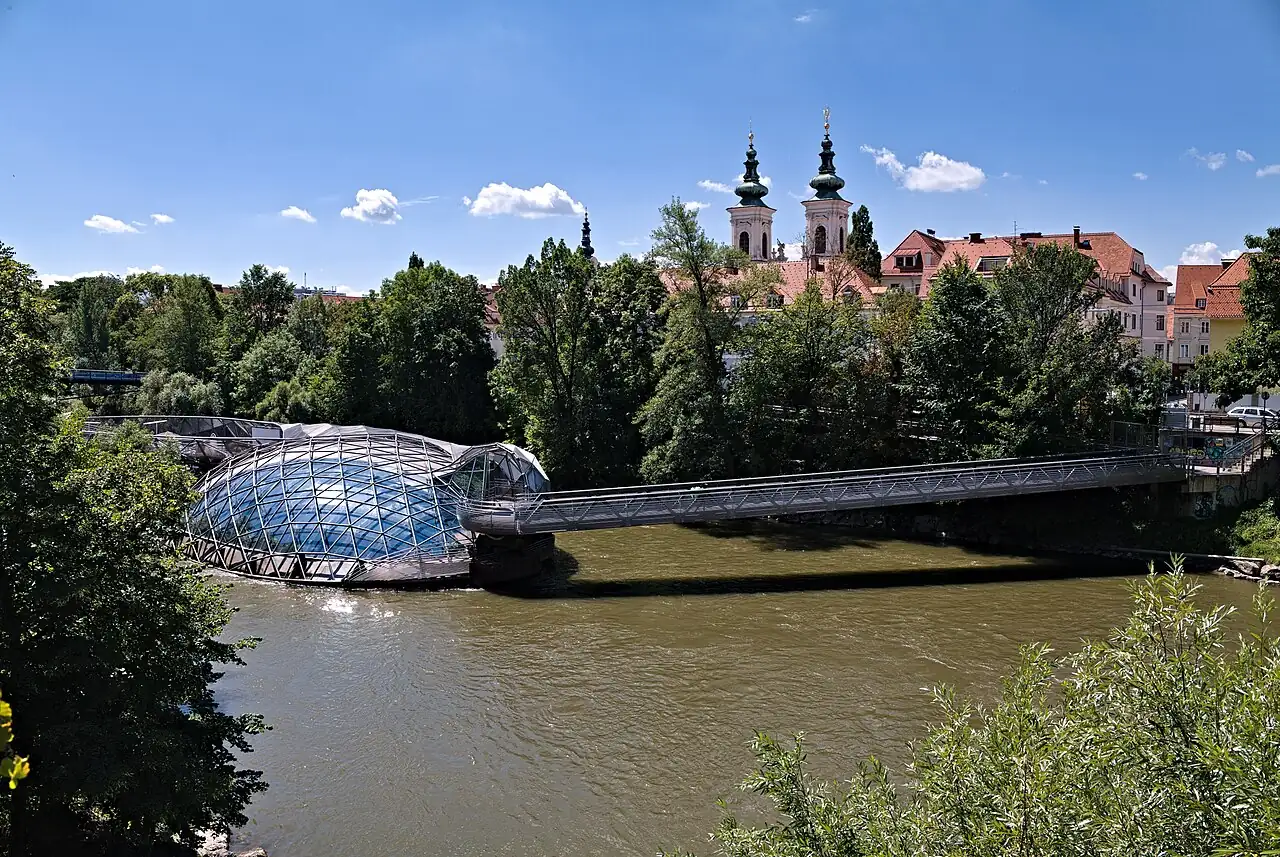
He studied literature, made performance art, and then founded a studio that designed benches, vehicles and an artificial island.
 Anarchitecture
Gordon Matta-Clark’s term became the starting point for a seminar about space as something that makes things happen.
- Gloria Moure
An art historian who built an architecture seminar around three artists.