Architectural behaviorology: how buildings behave
Yoshiharu Tsukamoto of Atelier Bow-Wow looks at buildings for their habits: what they do over time, and what people and weather do around them.
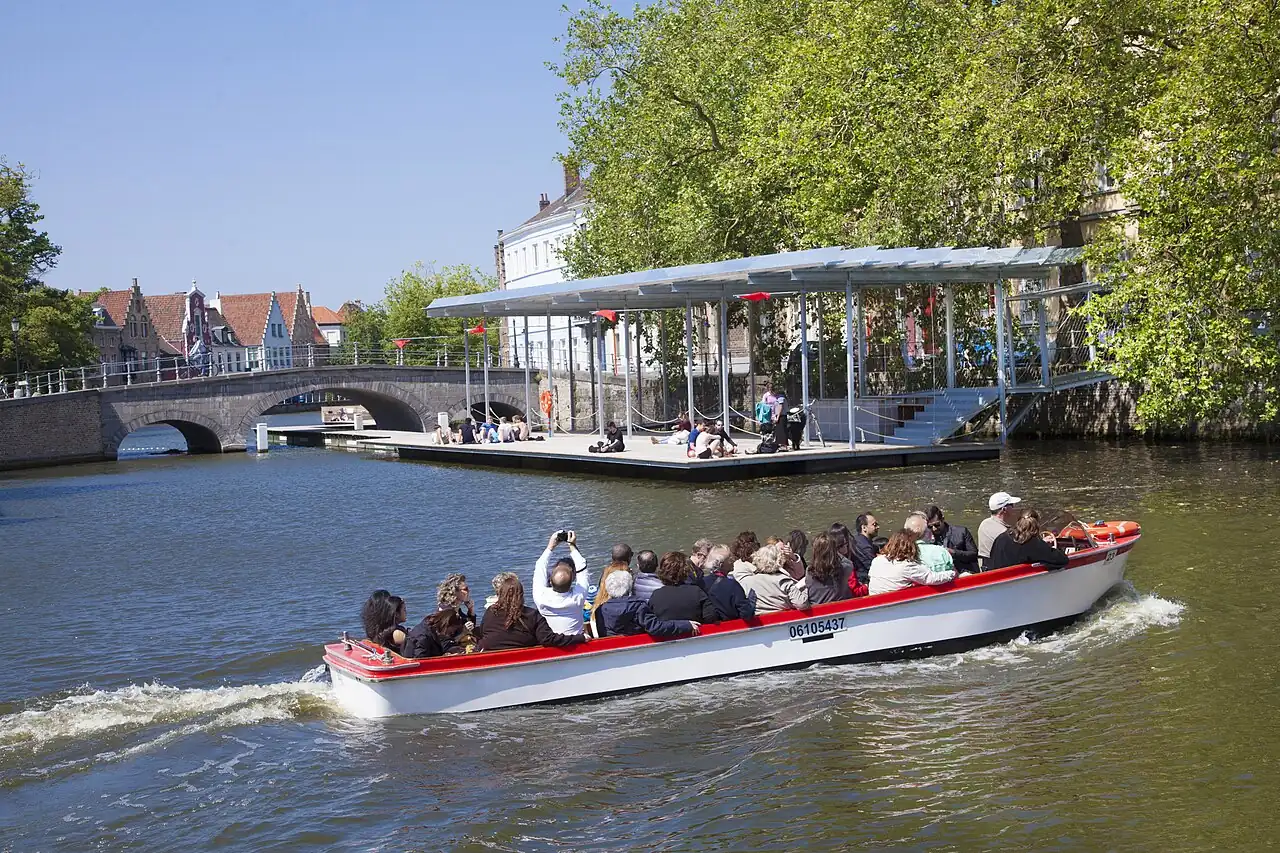

In Shanghai, bicycles were turned into street furniture and called Furnicycles. In Niigata, a food stall grew to a jumbo size and took the name White Limousine Yatai. Both came from the Tokyo practice Atelier Bow-Wow, and both belong to a way of thinking its co-founder Yoshiharu Tsukamoto calls architectural behaviorology.
The phrase was the title of a talk he gave in Barcelona. It sounds like a branch of science, and the talk was as analytical and detailed as the word suggests. It was also lighthearted, a mix that people who follow the practice will recognise.
What the word means
Behaviorology is the experimental analysis of behaviour. Here the subject is a building.
Buildings, in this view, act in certain ways, just as people and climatic conditions do. Their behaviour shows up where human activity and the environment come together. The idea works at any scale, from one house to a whole city.
Why time matters
Tsukamoto’s method asks for patience. Watch buildings across a certain span of time, he argued, and they reveal languages and patterns that they share. They also reveal their own quirks.
The key is repetition. Something that happens again and again can be traced, and tracing it brings a cyclical sense of time into architecture. Time becomes something that comes round.
This can be done without linear historicism, which treats the past as a single line of styles, and without pastiche, which is copying an old look.
Reading Tokyo first
The thinking started with looking. Tsukamoto opened with the early research that Atelier Bow-Wow turned into books about its own city.
Made in Tokyo charts local hybrids, buildings that mix things you would expect to find apart. Pet Architecture charts very small vernacular buildings, meaning everyday structures that grow out of local habit. They appear in even the thinnest slivers of free space in the city. Together the two books record informal urbanism, the parts of a city that nobody planned as a whole.
These books made the practice widely known.
Testing ideas at full size
Research led to a series of commissions for small installations. Each one let the team try out a finding in a real design process.
The Furnicycles were made for the Shanghai Biennial. For the São Paulo Biennial the practice built Monkey Way, a wooden bridge wrapped around the Pavilhão Ciccillo Matarazzo, a building by Niemeyer. The White Limousine Yatai was shown at the Echigo-Tsumari Art Triennale. A yatai is a mobile street food stall.
The same observations feed the buildings. Most of the practice’s built projects carry something learned in Tokyo, from small houses on tiny irregular plots in Japan to larger work abroad. The house that doubles as the studio in Tokyo and a project called Garden for Pony are two examples of close attention to the living surroundings of a building.
Read next
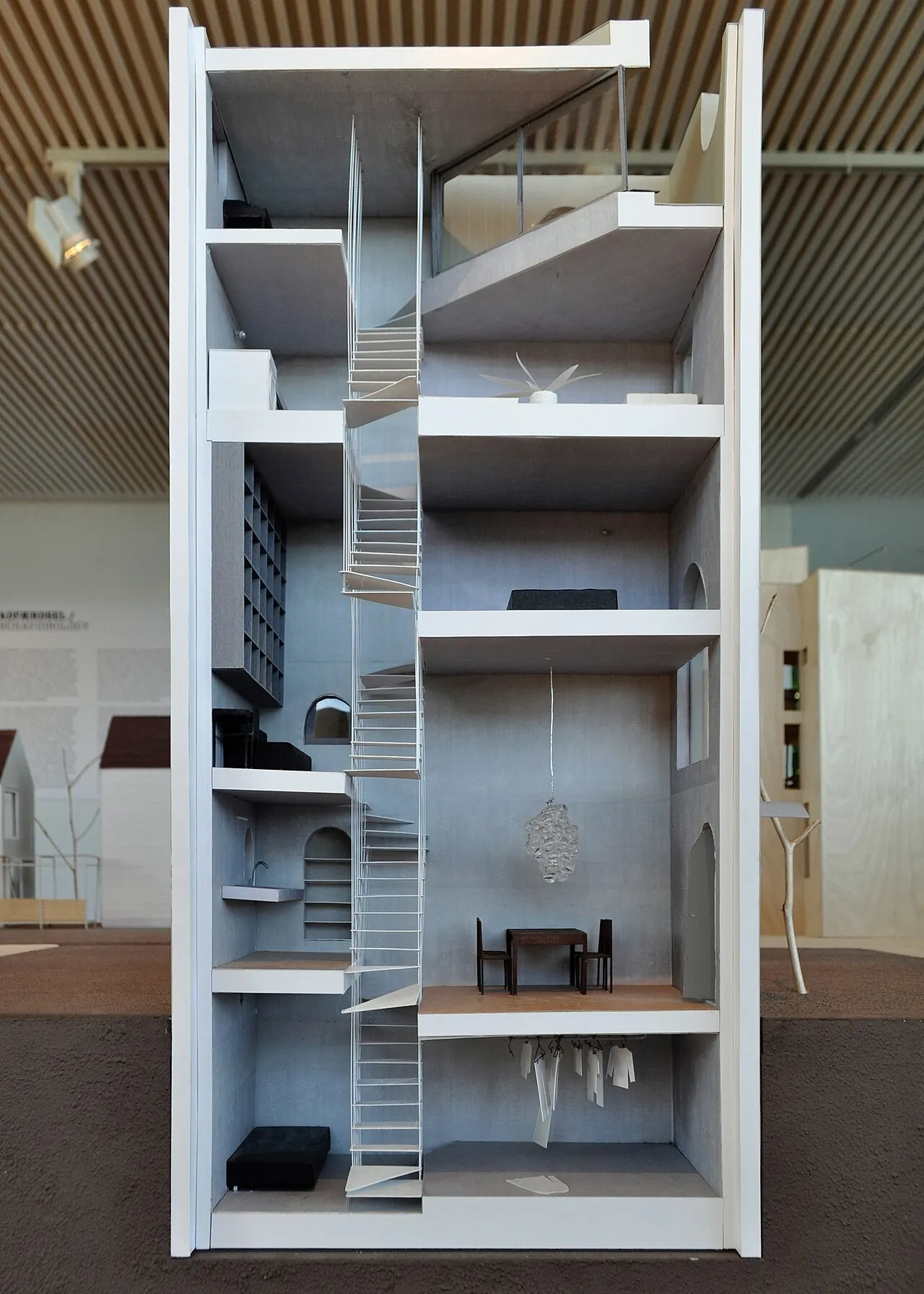 Yoshiharu Tsukamoto
A Tokyo architect whose practice has made houses for tiny plots, guidebooks to odd buildings and chairs shaped like dogs.
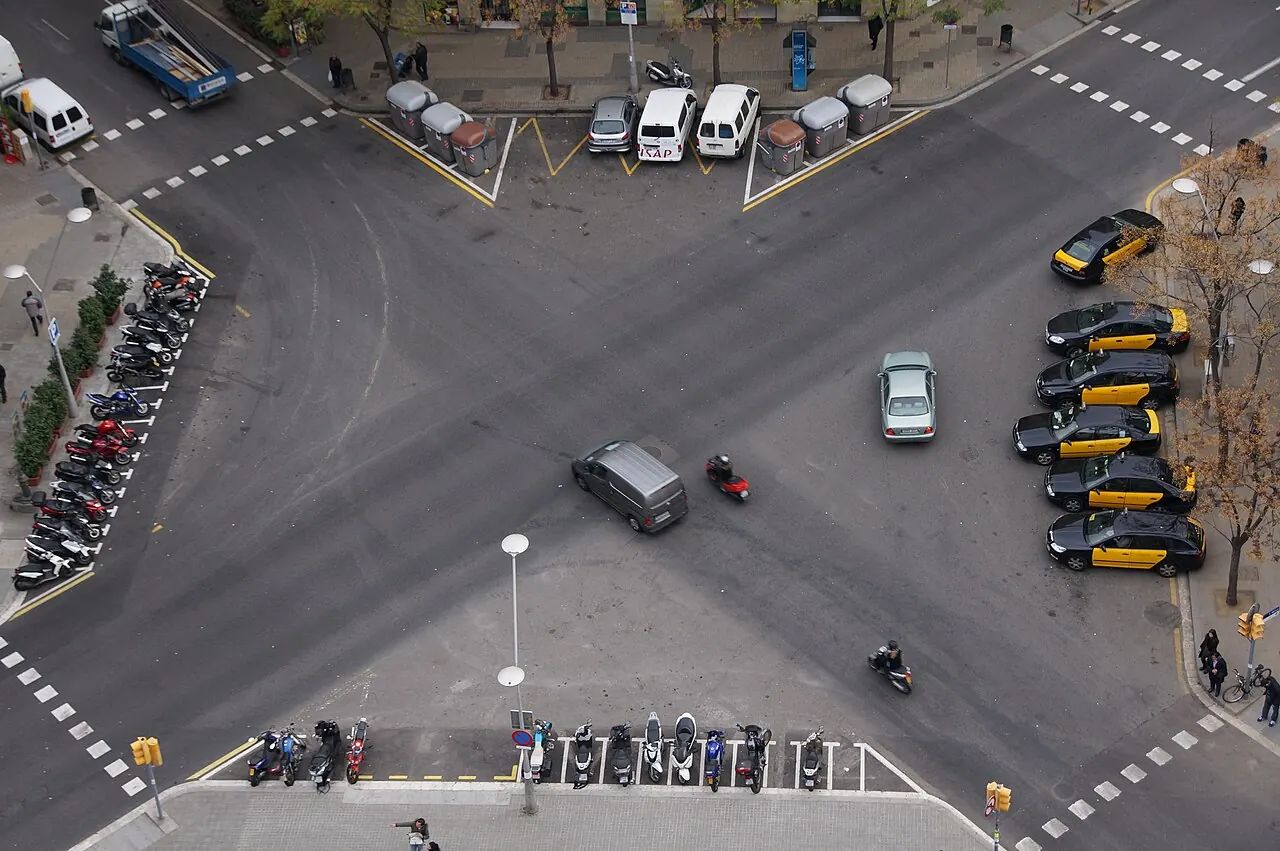 Catalan Metabolism
Every city changes at its own speed. A studio led by Yoshiharu Tsukamoto looked for Barcelona’s pace in the buildings of its neighbourhoods.
 Enrique Walker
An architect and critic whose books include interviews, conversations and one called Lo Ordinario.