Three design studios: housing and labour, heat and bodies, change and desire
Pier Vittorio Aureli, Iñaki Ábalos and Pere Riera taught side by side. Their students worked on very different questions.
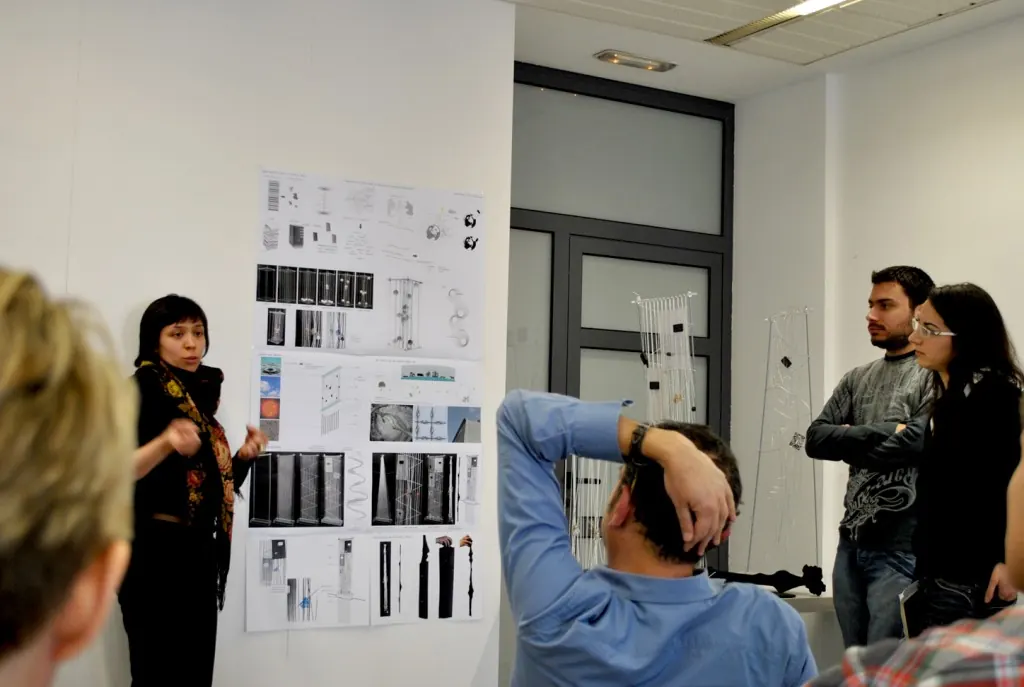
How can a person’s job change the shape of a city block? What does heat do to a tower, and to the people inside it? What makes somebody want to live in a place? Three architecture design studios ran side by side in Barcelona, one for each of these questions.
A design studio is the part of an architect’s training where students work on one project for weeks and show it to critics along the way. These three were led by Pier Vittorio Aureli, Iñaki Ábalos and Pere Riera.
Labour, City, Form: housing as a political subject
Aureli taught “Labour, City, Form: Towards a Common Architectural Language” with Maria Shéhérazade Giudici. The studio looked at the modern city, from the Renaissance on, together with the way people become political subjects. Housing was the place to study this, because there architecture meets its inhabitants directly, in their basic needs and in their ethos, meaning their habits and values.
At the midterm review students presented two themes. One was the precarious worker, somebody without secure employment, and how to define that person. The other was the history of Barcelona before and after Cerdà. The discussion asked how labour might change the Cerdà grid, the city’s planned street pattern, through very few, carefully chosen moves. Maria Buhigas and Bet Capdeferro were the guest critics.
Thermodynamic Somatisms: towers without a site
Ábalos and Renata Sentkiewicz led Thermodynamic Somatisms, the second part of a study of tall buildings called Verticalscapes. Thermodynamics deals with how heat and energy move. The word somatic refers to the body. The studio wanted a grammar for designing with both.
The plan included a reading list, case studies from several technical fields, and experiments with systems whose energy balance is zero. By the midterm, students had done four small exercises on phenomena such as radiation, conduction and convection, the basic ways in which heat travels.
There was no real site during this phase. That opened a discussion between two approaches, one built on exact technical behaviour and one more informal. The jury brought different backgrounds: the architects Jaime Coll, Judith Leclerc and Urtzi Grau sat with the engineer Alex Ivancic.
BCN Desire Lab: the wish to inhabit
Pere Riera’s studio was described as an experimental place for producing knowledge about change and the desire to inhabit. Change belongs to life, its outline argued, but it has been getting faster. The acceleration leaves people unsure of what the future will bring. He taught the studio with Xavier Vancells.
The final reviews
Each studio was to end in front of its own jury of local and international guests. Those invited included Javier García-Germán, Carles Muro, Arturo Franco and Eduard Bru, the former director of an architecture faculty in Barcelona.
Read next
- Pier Vittorio Aureli
The co-founder of Dogma treats the shape of a city as a political matter, and housing as the place where architecture meets its inhabitants.
 Verticalscapes
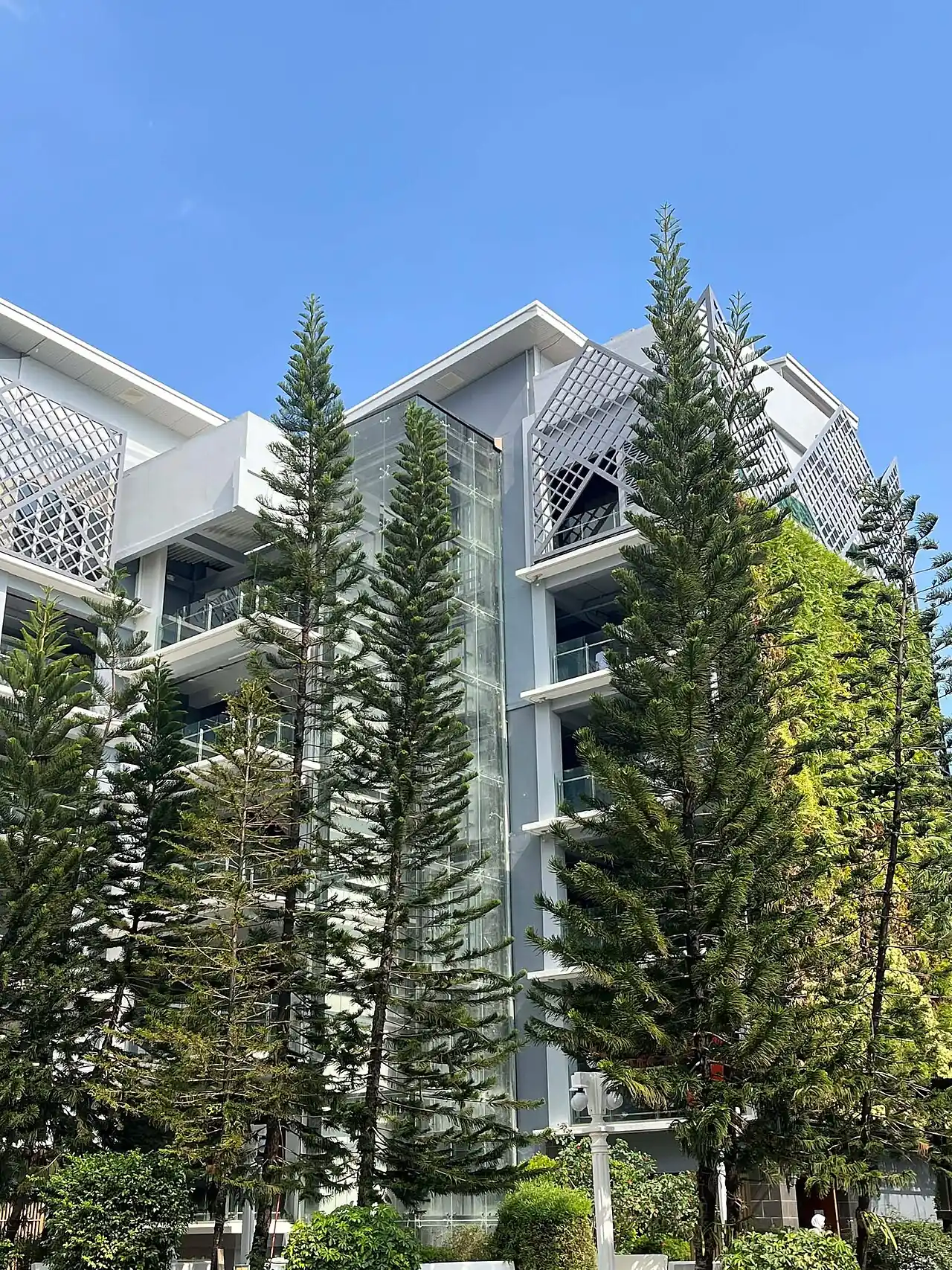
Iñaki Ábalos and his students asked what happens when the skyscraper and the city park stop being opposites.
- Pere Riera
A Barcelona architect and teacher whose talk on architecture started with language and moved on to buildings.