Landform building: architecture that makes its own ground
A book co-edited by Stan Allen follows a generation of buildings that behave like hills, slopes and sediments.
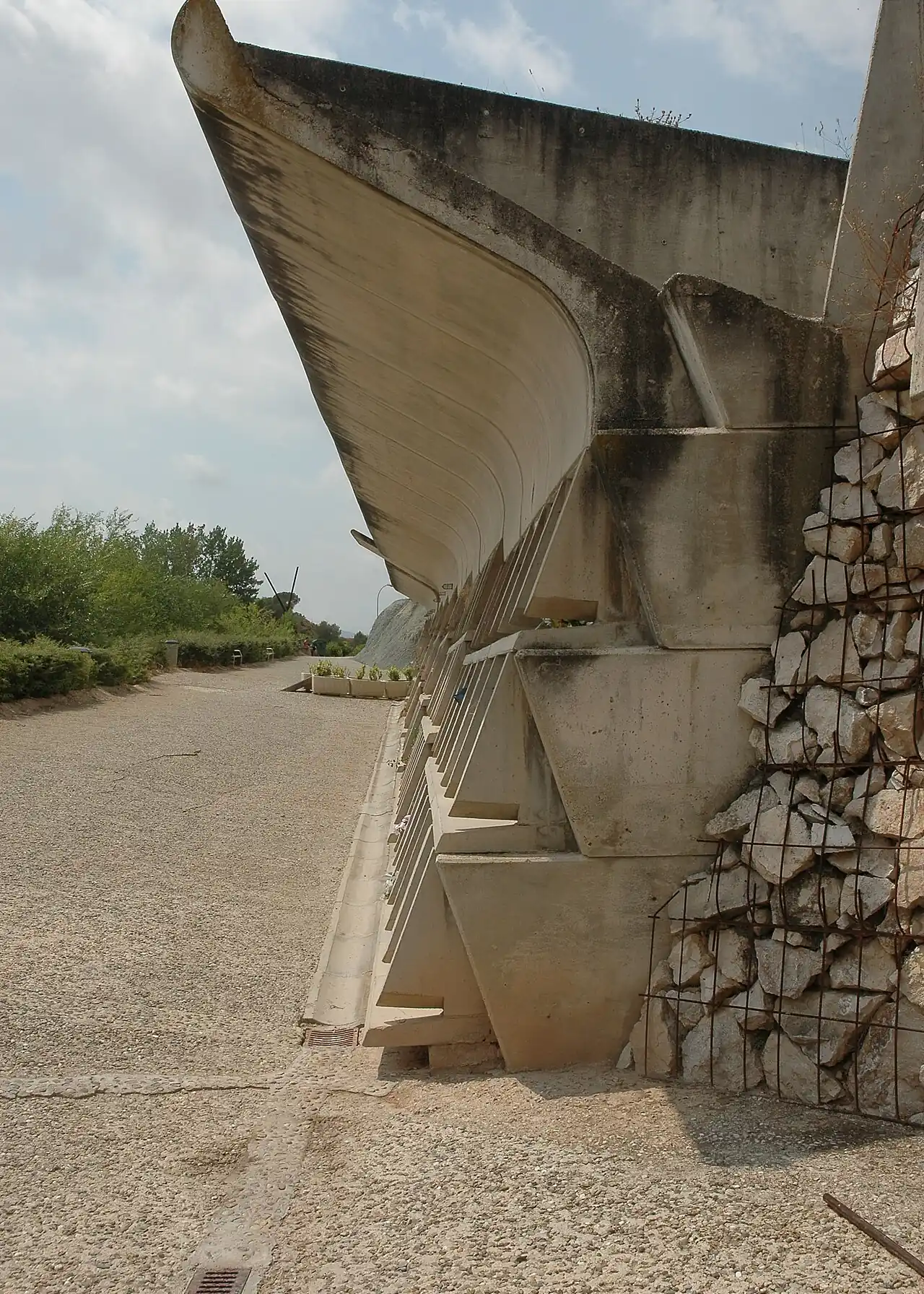

You can walk over the roof. The floor is part of a network of ramps. A mountain turns out to be artificial, and a piece of landscape is lifted high into the air. Landform building is a name for this kind of architecture. It is also the title of a book, Landform Building: Architecture’s New Terrain, co-edited by the New York architect Stan Allen.
The book grew out of two conferences on landscape and sustainability, one in Toronto and one at the Canadian Centre for Architecture in Montreal. Allen presented it in Barcelona, with an introduction by Josep Lluís Mateo and a round table with Iñaki Ábalos and Michael Jakob.
A building used to stand on its site
Green roofs, artificial mountains and warped surfaces have become common in architecture. The text that announced the book gives several causes. New technologies and new design techniques made such shapes possible. At the same time, demand for better environmental performance grew.
The result is a different relationship with the ground. A traditional building occupies a plot that was there before it. A landform building constructs the plot as well.
Allen’s book treats this as a matter for architects at their own desks. It looks at design techniques, formal strategies and technical problems that arise inside architecture. Architects who go off to work in the landscape are a separate subject.
After landscape urbanism
Charles Waldheim coined the term landscape urbanism for a way of planning cities that begins with landscape. Allen starts from there and asks what the idea actually produced in cities, and how it moved on from talk of ecology and environment.
Introducing the book, Mateo cleared up a wrong expectation. A reader might look for movement. The subject, he said, is reification: ideas that have hardened into things. The book gathers what the main debates about landscape and city had produced over some fifteen years.
From biology to geology
For years architects borrowed their words from living things. Buildings were fluid, adaptable, mutating. The book swaps that vocabulary for the language of topography and minerals: terrain, sediment and tectonics.
Allen does not drop the older words altogether. He points to a tension. Biology suggests change, while a finished building sits still like a rock. Architecture, as he sees it, keeps swinging between the two.
This shifts attention outward. Social, urban and ecological relations count for more here than the inner logic of a form or a diagram. Copying a natural hill or hiding a building in the scenery is outside its scope. What interests Allen is what people can do with ground that has been made on purpose.
Four headings, many authors
The material is sorted into four groups: form, scale, atmosphere and process. Each stands for a strategy for settling and working a piece of land.
The examples include architects such as Ábalos, Steven Holl, Philippe Rahm, Nader Tehrani, Bjarke Ingels, and Emilio Tuñón with Luis Moreno Mansilla. Artists appear too, among them Tacita Dean, Tsunehisa Kimura and Walter Niedermayr.
The reviewer of the launch added a thought of their own. The turn towards solid ground came at a time of many calls for sturdier social, economic and political structures, able to protect local places from fast flows of capital. Perhaps, the reviewer wrote, this was no coincidence.
Read next
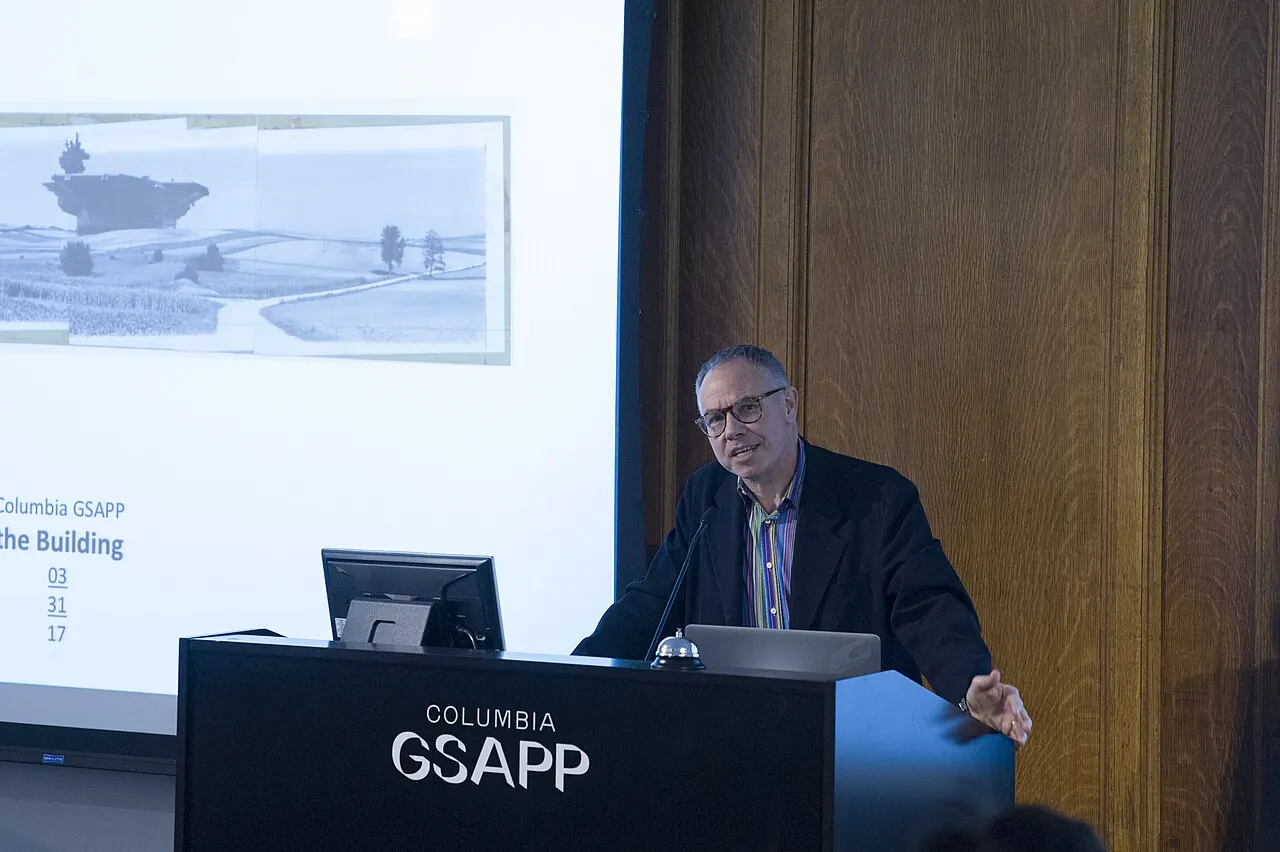 Stan Allen
A New York architect who has combined building and writing with a long career in teaching.
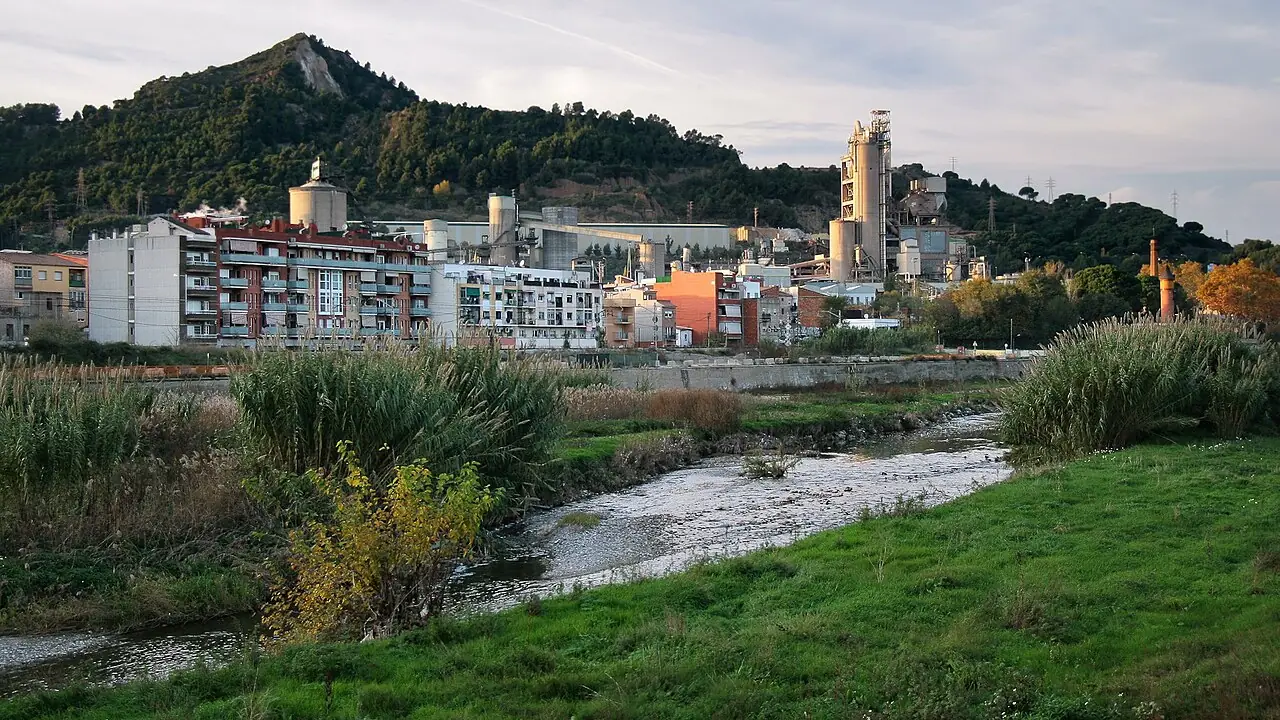 A cemetery as landscape
Students designed a new cemetery for metropolitan Barcelona on farmland and forest that roads and railways had left alone.
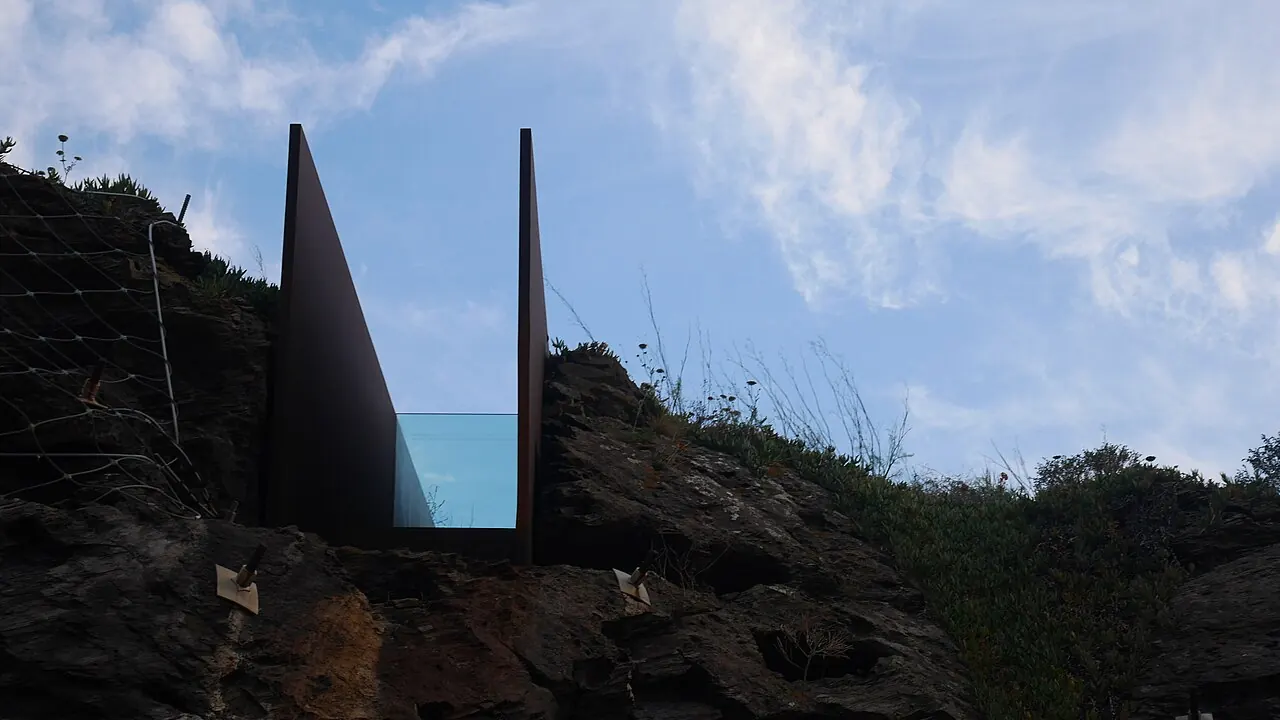 Michael Jakob
He came to landscape with books: a journal of literature, a series about mountains and an essay on mountains that can and cannot be scaled.