Joan Roig: landscape that has to pay its way
The Batlle i Roig partner gave students a park site in Lleida and a hard condition: the project had to finance itself.
Could a public park earn its own keep? Joan Roig, a partner in the Barcelona practice Batlle i Roig Arquitectes, put that problem to students in a workshop called Parc de la Mitjana. The site was a large area on the outskirts of Lleida. The brief was to turn it into a place for urban leisure and to keep the cost of both building and upkeep as low as possible.
A park with a budget
Students were given a standard list of functions for a public space. They then had to plan the development, construction and management of the project so that it could finance itself. The tool was an analysis of cost of goods sold, a term from accounting for what it directly costs to produce something.
The reason was educational. Students were expected to see how much the productive potential of a piece of land depends on its context.
Looking at land as a producer
Roig directed the Productive Land Program, the study line to which this exercise belonged. He ran it with the architects Anna Viader and Maria Buhigas and with a biologist. In one edition, students reviewed planning frameworks and methods and studied earlier cases. Then they set out on an excursion, with the task of proposing a working hypothesis and an intervention, meaning a specific change to a site.
Roig has also examined the notion of landscape alongside the photographs of Andrés Flajszer. A note on that work separates his productive look at the territory from a formal or purely aesthetic one.
Read next
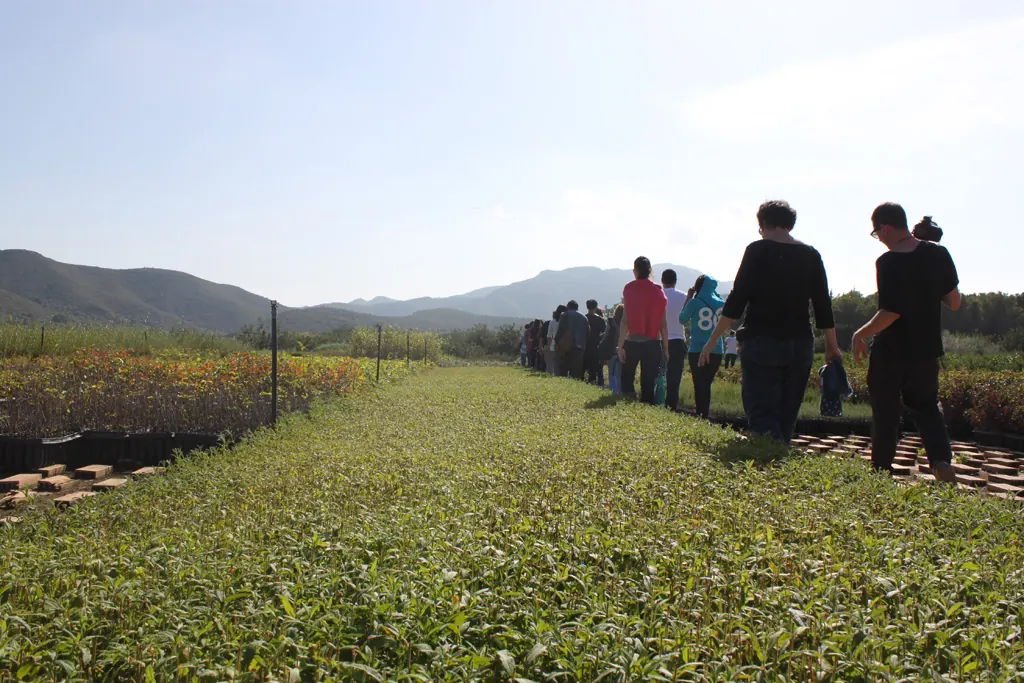 Productive land
Students went to look at greenhouses, rice paddies and landfills, then designed for a nature reserve on the edge of Lleida.
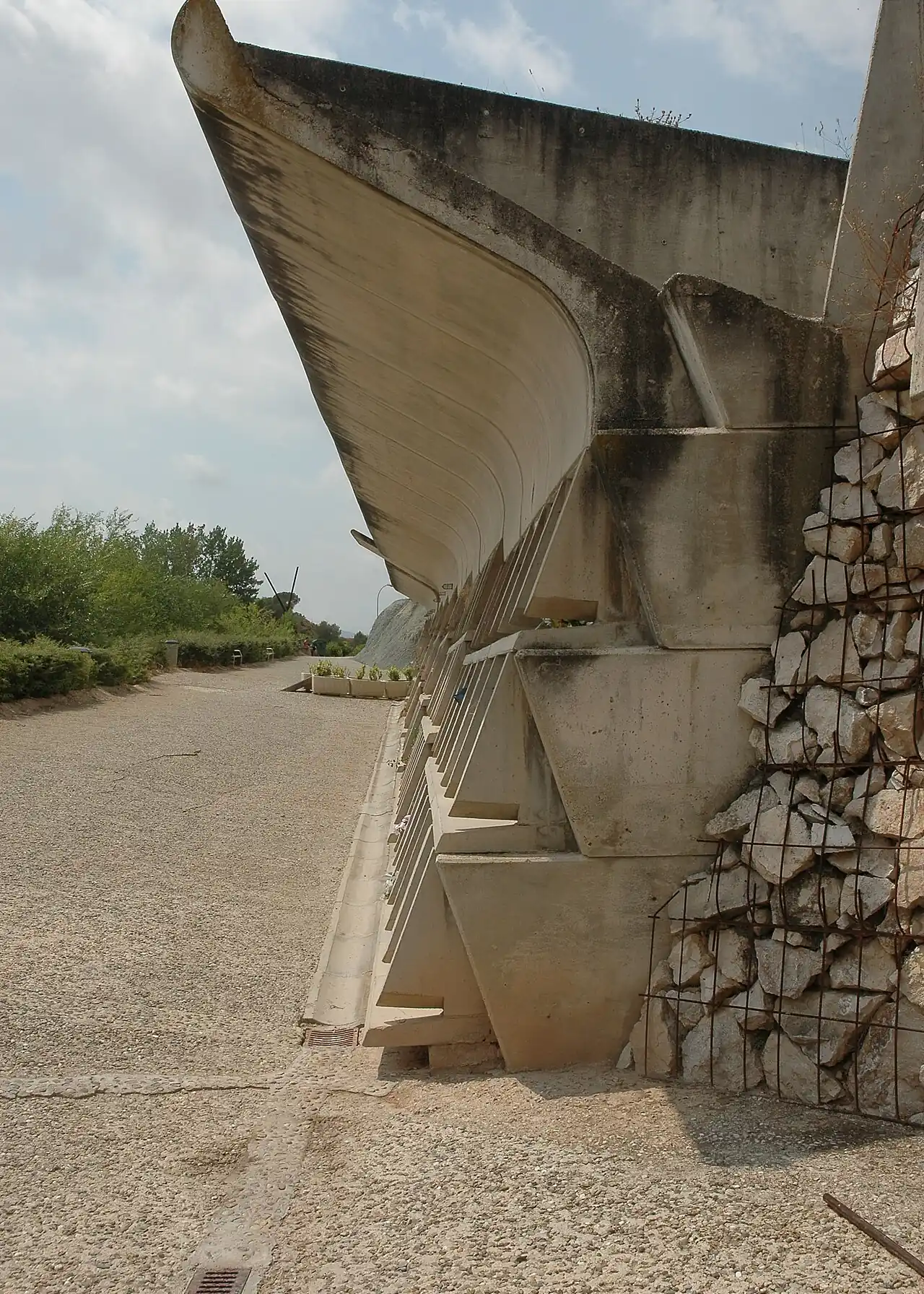 Landform building
A book co-edited by Stan Allen follows a generation of buildings that behave like hills, slopes and sediments.
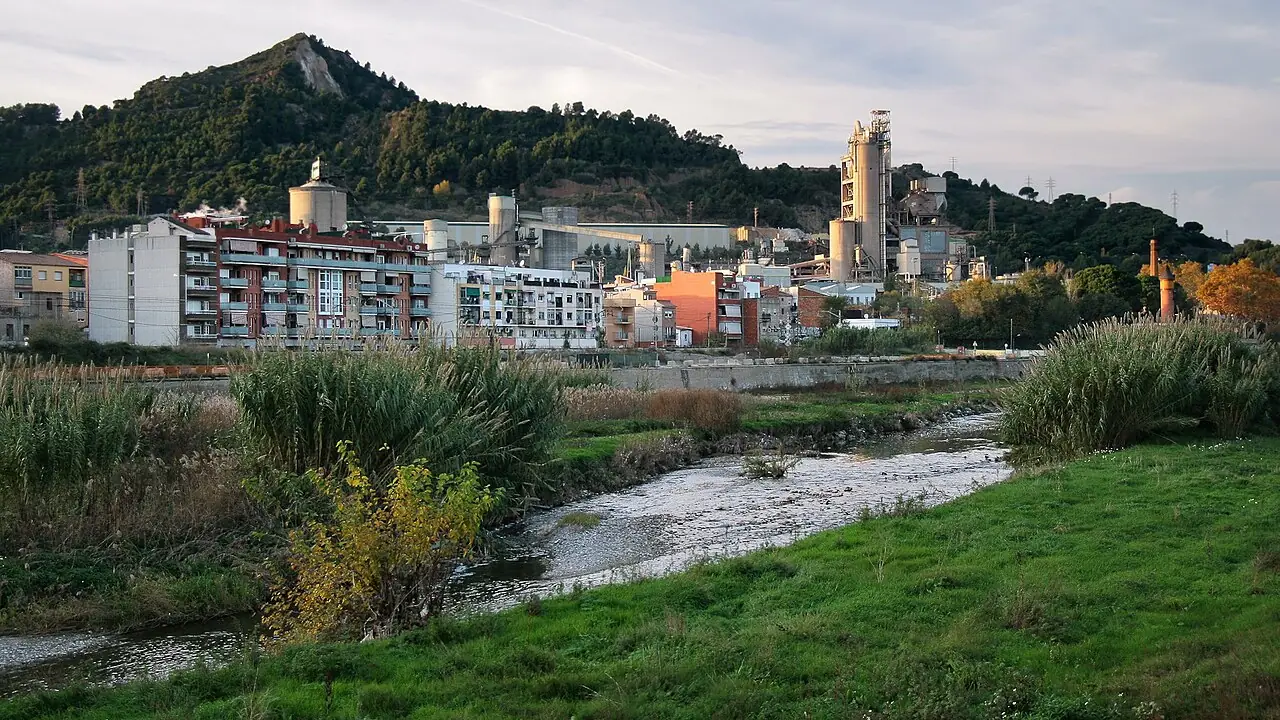 A cemetery as landscape
Students designed a new cemetery for metropolitan Barcelona on farmland and forest that roads and railways had left alone.