Josep Acebillo: the planner of Barcelona’s Olympic projects
He led the city offices that reshaped Barcelona around the Summer Olympics. His later teaching looked at cities as networks.
When Barcelona prepared for the Summer Olympics, its large-scale urban development projects were the responsibility of Josep Acebillo. He led the city’s Urban Development Institute through the years around the Games. Before that he had been director of Urban Projects, at the start of the deep change Barcelona went through in the last decades of the twentieth century.
Josep Anton Acebillo was born in Huesca, in north-eastern Spain. He took his degree at ETSAB, the architecture faculty in Barcelona.
From city projects to a regional office
After the Olympic period Acebillo became head of Barcelona Regional, a think tank that develops strategic urban projects and infrastructure for the city. An exhibition called Barcelona in Progress came out of that office. Later he was appointed the city’s Commissioner of Infrastructures and Urban Planning, and shortly afterwards its Chief Architect.
Recognition came from home and from abroad. Barcelona gave him its Honorific Medal. Harvard University awarded him the Prince of Wales prize in urban design. The Royal Institute of British Architects named him an honorary member. He has also taught at the architecture academy in Mendrisio, in Switzerland.
The city as a network
Acebillo also taught a course on territory and cities. Its setting was the time after an economic crisis, when fast urbanisation was putting acute strain on society and the environment.
The course was planned around observation and analysis. Students would look at the increasingly socio-technical nature of cities, which means that social life and technical systems are bound up together. They would study what networks do to a territory. They would also look for the homeostasis of urban systems, a word from biology for the way a body keeps itself in balance. In this view a city is a pattern of connections, and knowing it cannot be separated from acting on it.
A short statement published under his name asks whether innovation in architecture is the innovation society needs. It adds that architecture should be objective.
Read next
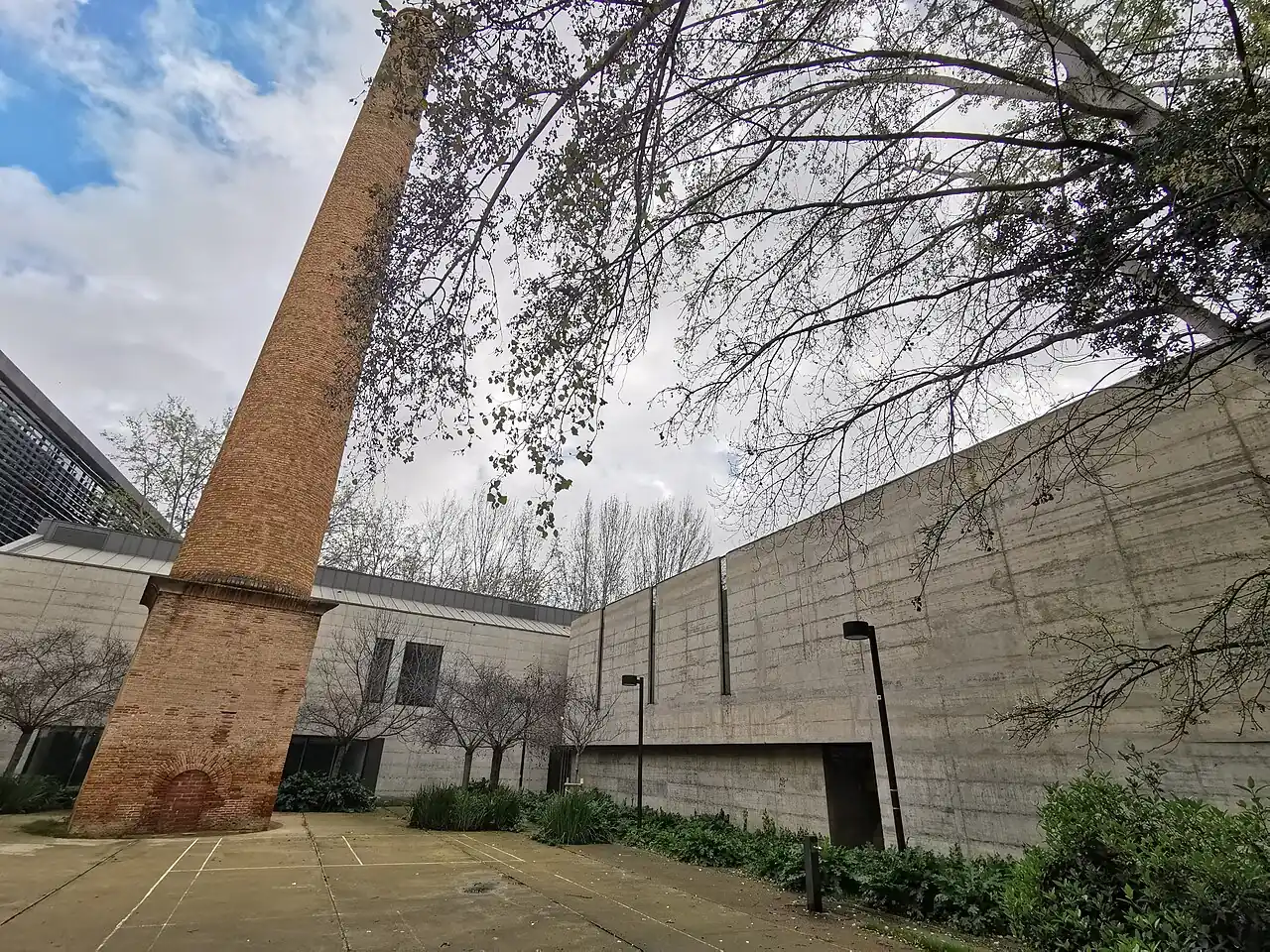 The city after industry
What holds a city together once factories stop organising it? A symposium split the question into four parts and paired Barcelona with Moscow.
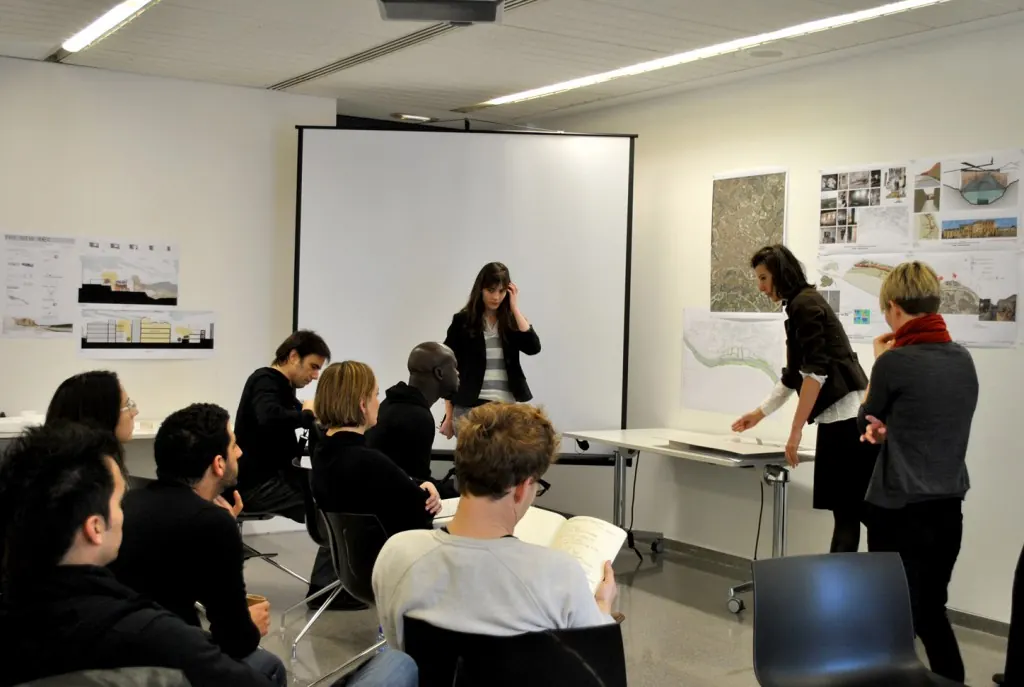 Igualada studio
Sneakers, fashion and hot air balloons were bringing new energy to Igualada. Students asked what that could do for its old industrial quarter.
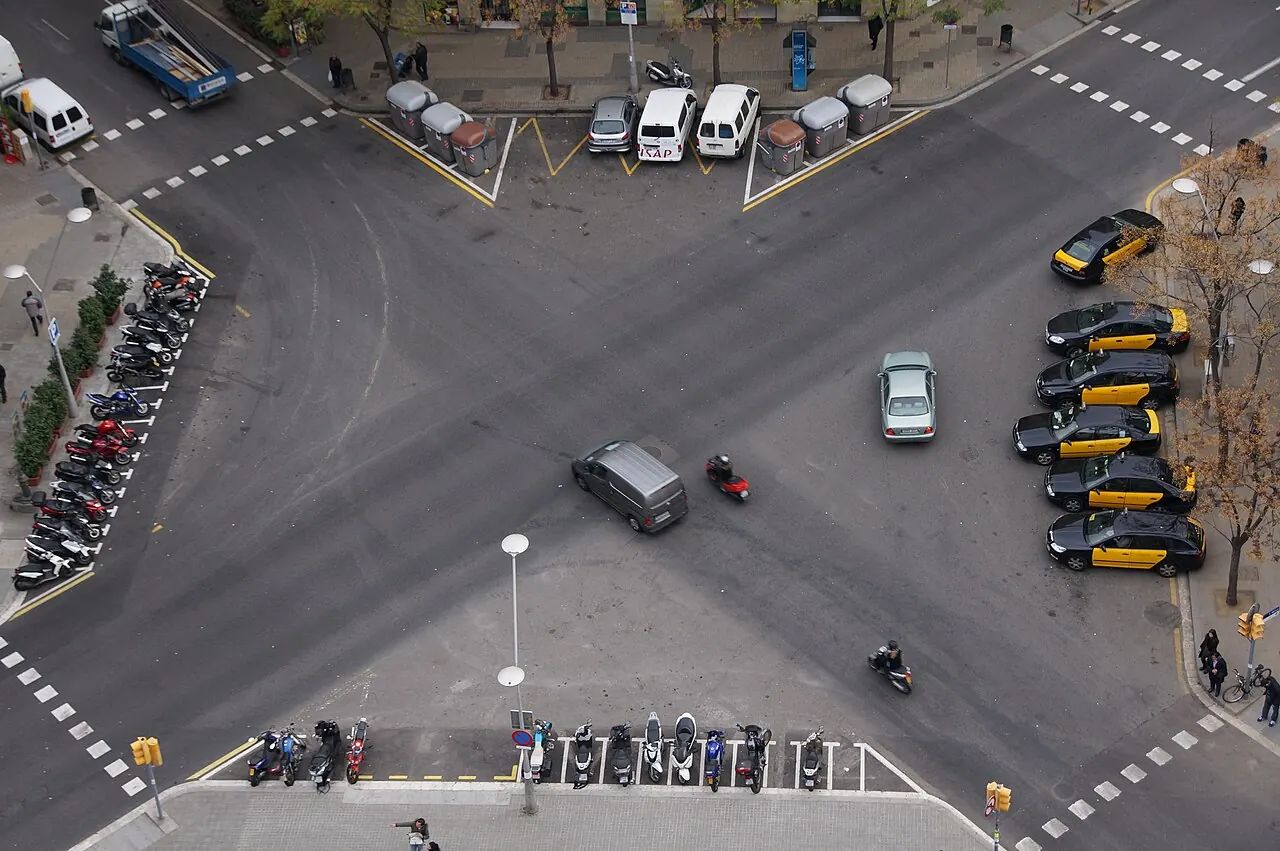 Catalan Metabolism
Every city changes at its own speed. A studio led by Yoshiharu Tsukamoto looked for Barcelona’s pace in the buildings of its neighbourhoods.