Igualada studio: David Adjaye and an old industrial quarter
Sneakers, fashion and hot air balloons were bringing new energy to Igualada. Students asked what that could do for its old industrial quarter.
A hot air balloon company, a sneaker brand and a fashion label are the local firms named in notes on the Igualada studio led by David Adjaye. They are Ultramagic, Munich and Sita Murt. Students on the studio worked on a quarter of obsolete industry close to the historic centre, and the growth of such companies was the starting point.
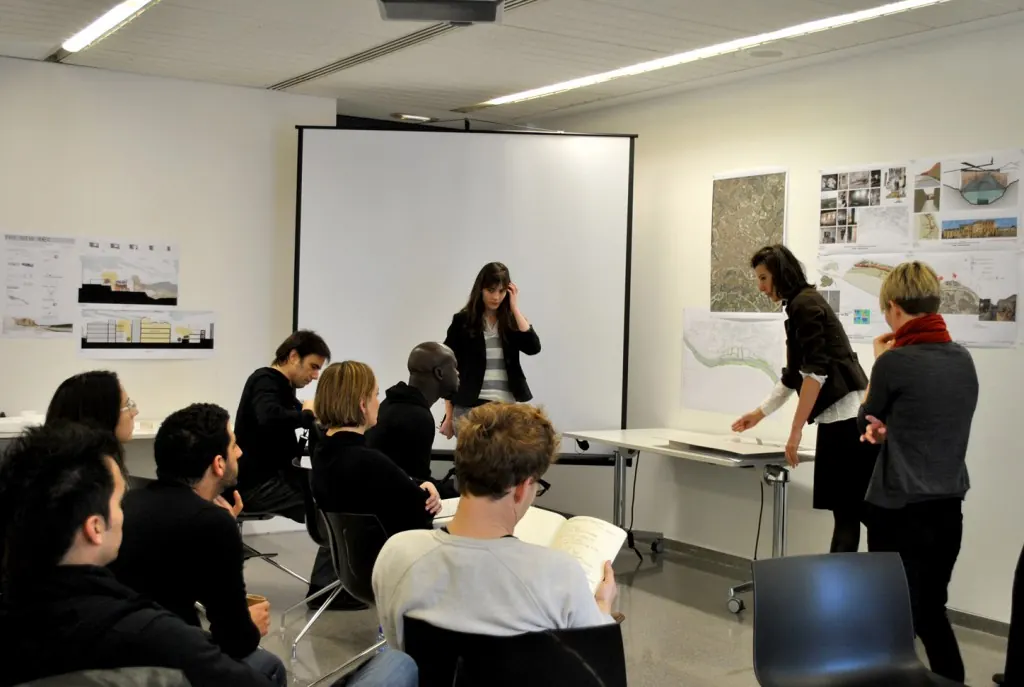
Igualada is a medium-sized city 60 kilometres west of Barcelona. The studio covered four weeks of design work, and Adjaye came to Barcelona to review the students’ projects. Manuel Bailo and Alexa Plascencia supported him.
The trouble with Adoberies Velles
The quarter is called Adoberies Velles, Catalan for old tanneries. The studio notes treat it as a clear example of a common difficulty. Its form comes from a nineteenth-century way of making things. That way of working is outdated, and the needs of the city around it keep growing and changing.
Using new industry to mend an old quarter
The studio started from what was going well. Dynamic new local companies were growing, so the aim was to use this industrial enthusiasm to improve the quarter. Students also had to join it better to the urban tissue, the weave of streets and buildings around it. Their projects were expected to draw a possible future for development and to offer alternatives for local production and growth.
The design work drew on themes students had already met in seminars. One was how to make room for industry and for services in a twenty-first-century city. Labour was another, along with the shape of cities. Art entered the discussion as well, in its close relation to the city.
According to the notes, Adjaye’s part brought the leverage and optimism needed to hold these concerns together. Students were to give an internationally minded answer to a local problem.
Read next
 David Adjaye
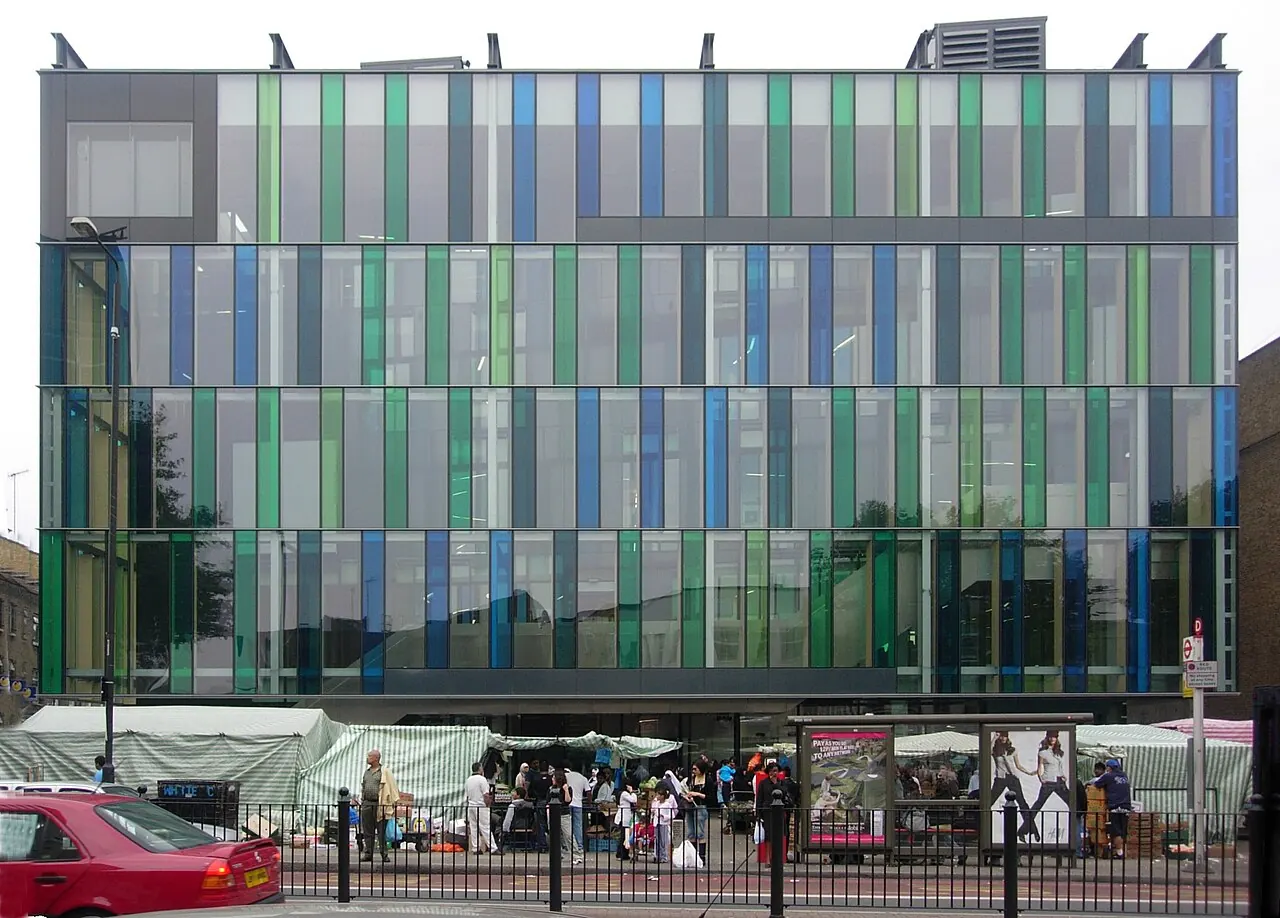
From bars in London’s East End to museums and public buildings, with a steady interest in what makes a building public.
- Manuel Bailo and Rosa Rull
Two Catalan architects explained their work with one idea from chemistry and the pictures of a photographer.
 The city after industry
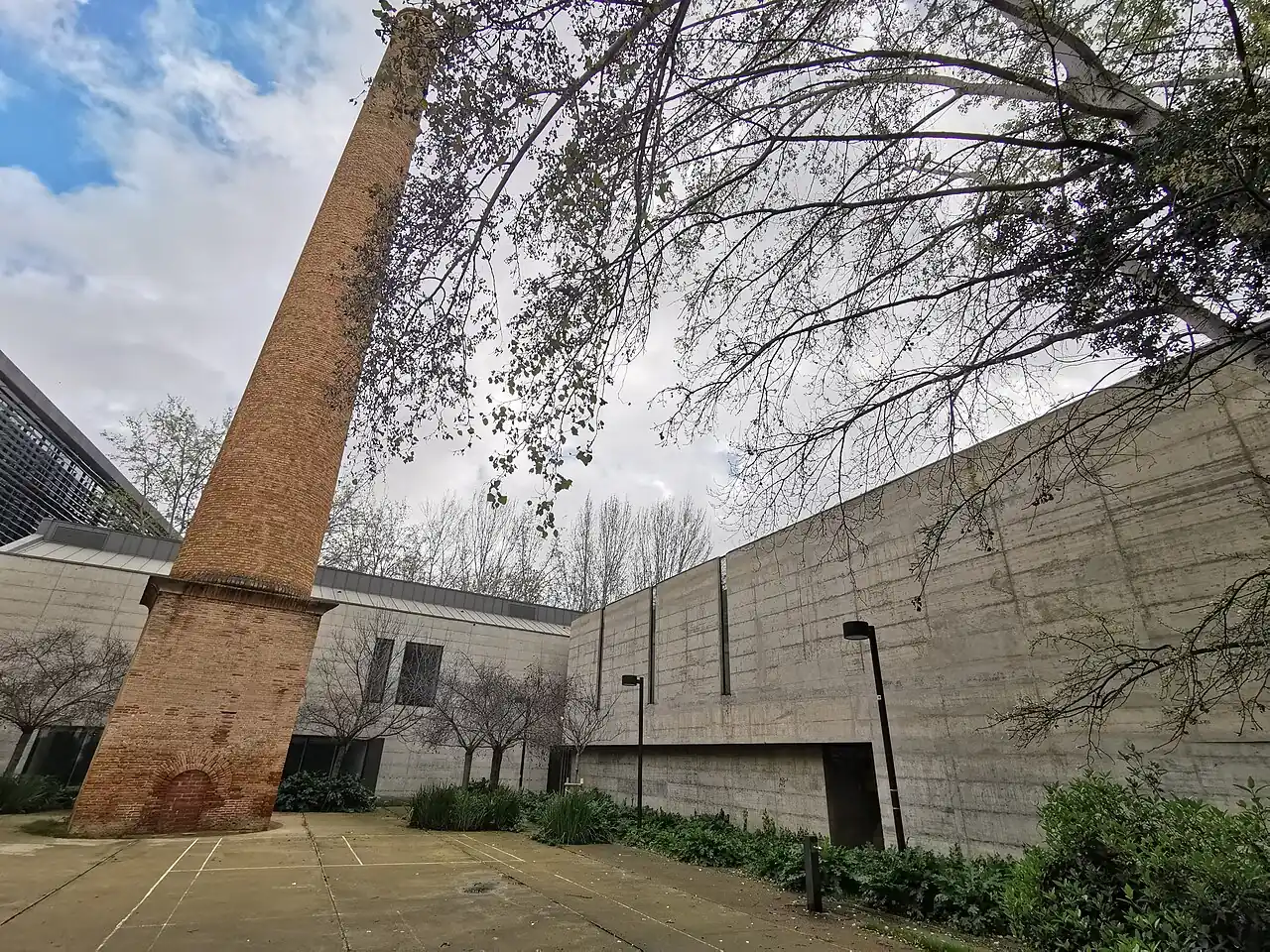
What holds a city together once factories stop organising it? A symposium split the question into four parts and paired Barcelona with Moscow.