Productive land: a workshop in the working landscapes of Catalonia
Students went to look at greenhouses, rice paddies and landfills, then designed for a nature reserve on the edge of Lleida.
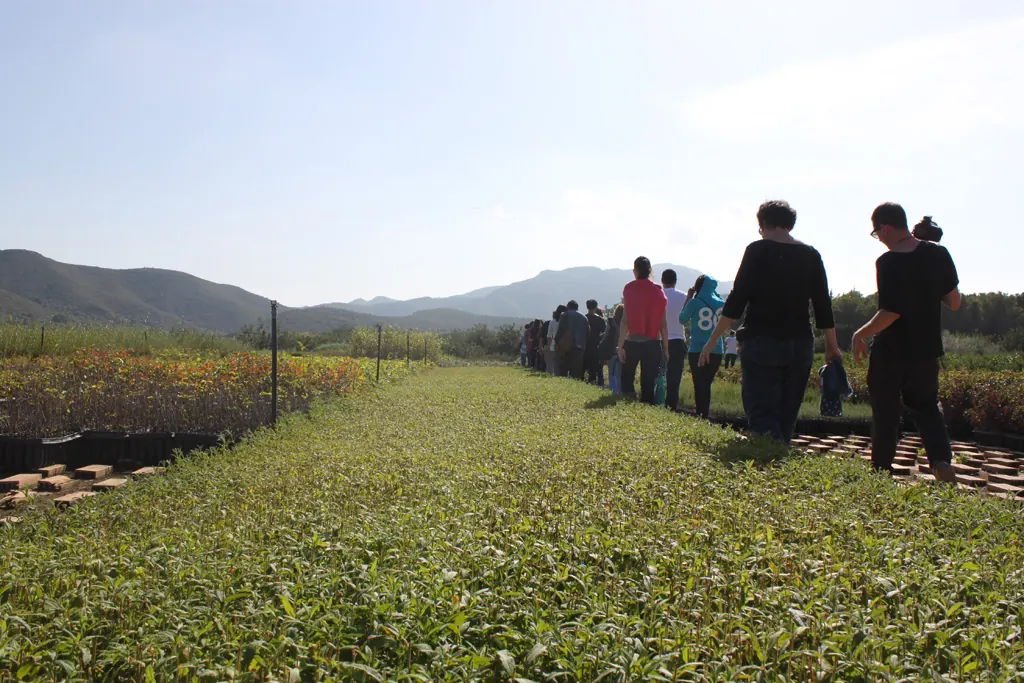
The trip took in greenhouses, irrigation systems, landfills, timber farms, vineyards and wineries, rice paddies, rural co-operatives and farms that receive tourists. It was a study of productive land, meaning land that people work and live from.
The workshop was directed by Joan Roig of Batlle i Roig Arquitectes, with the architects Anna Viader and Maria Buhigas and a biologist. Students reviewed planning rules, methods and earlier cases before they set out.
Why productive land, and why then
The outline of the programme began with an economic crisis. The economy was shrinking, the protection of the public sector was breaking down, and the idea of private interest was being revised. People were looking for new ways to make a living. The organisers chose sites where land could still produce something.
Energy was part of the subject, in an unusual sense. The programme set aside the supply of energy that powers activity. It looked at the energy that activities such as farming, consumption and production create. A course description adds one more aim: to study how productive land could also serve as a place for public leisure.
Four landscapes and one site
Students and teachers visited very different settings: the Delta de l’Ebre, Priorat, Montsant and the Franja de Ponent. At each stop they recorded and analysed the structures that keep a working countryside going.
The proposals were then made for a single place, the Parc de la Mitjana, a nature reserve on the outskirts of Lleida, a city about 150 km west of Barcelona. Teams had to respect the real conditions and limits of the site. They also had to fit their designs to a particular economic scenario, so that the strategy would come from what the workshop called the “logic of place”.
A landscape that does something
The workshop asked students to look past the view. A landscape, it held, matters as an active resource. In the workshop’s own words, “production is the germ and the reason for the existence of any new place.”
A selection of the proposals, by four teams of three, was later shown in a gallery of projects.
Read next
- Joan Roig
The Batlle i Roig partner gave students a park site in Lleida and a hard condition: the project had to finance itself.
- Registering landscapes
For three days a group of students walked beside a river without knowing their task. Then they rebuilt the journey from memory.
 Igualada studio
Sneakers, fashion and hot air balloons were bringing new energy to Igualada. Students asked what that could do for its old industrial quarter.