Philippe Rahm, the architect who designs the air in a room
A Swiss architect with an office in Paris, whose rooms are made of things nobody can see.
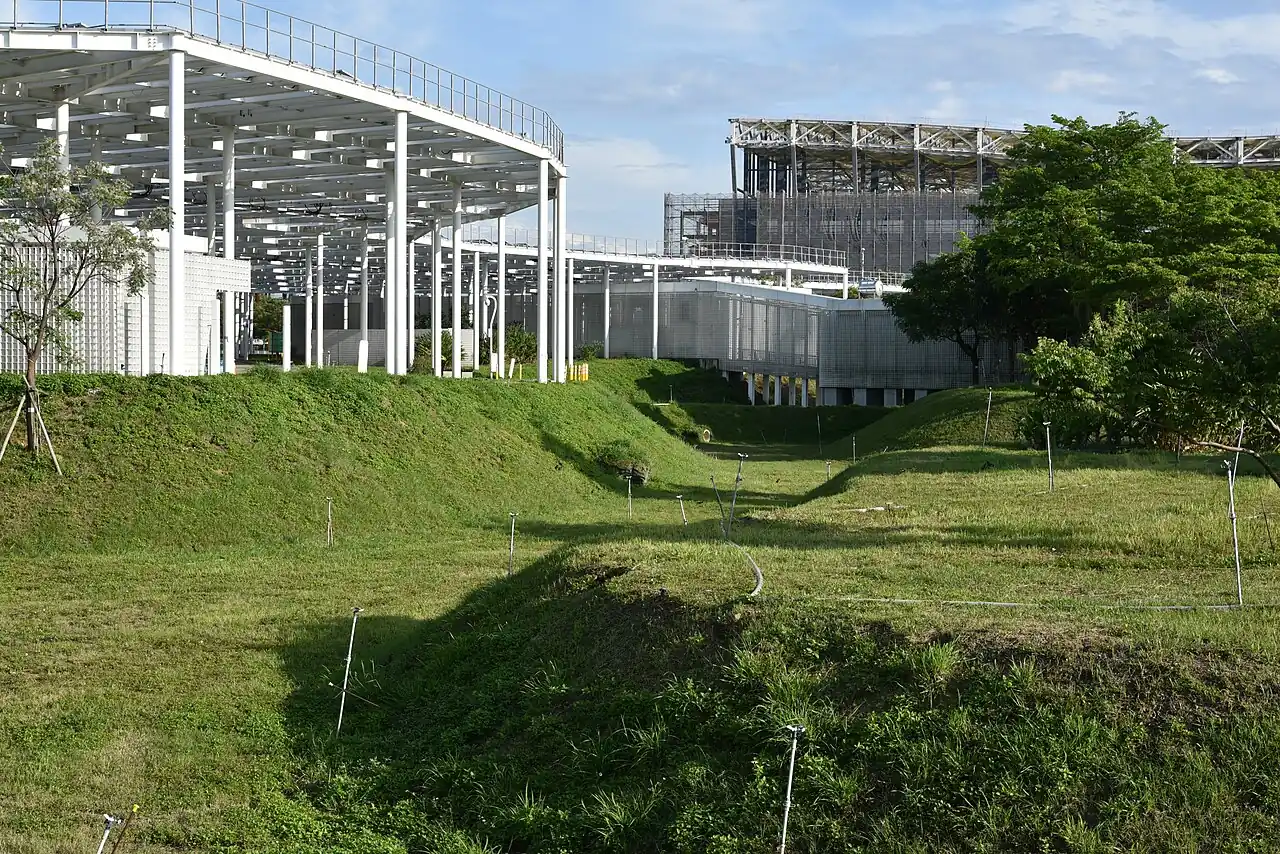

Philippe Rahm is a Swiss architect whose working materials are heat, humidity, sound and light. In his view an empty room is already full, and an architect can design what fills it.
He studied at the federal polytechnic schools of Lausanne and Zurich and has run his office, Philippe Rahm architectes, from Paris.
An architect in exhibitions
Museums and biennales have been an important place for his work. He represented Switzerland at the eighth Architecture Biennale in Venice. Later he was among 25 architects who presented manifestos, statements of what architecture should be, at the Venice Biennale directed by Aaron Betsky.
His list of exhibitions runs from Archilab to SF-MoMA, the Centre Pompidou, the Frac Centre in Orléans, CCA Kitakyushu, Manifesta 7 and the Louisiana museum in Denmark. The Canadian Centre for Architecture in Montreal gave him a solo exhibition. He was nominated for the Ordos Prize in China and reached the top ten of the International Chernikov Prize in Moscow.
His work also illustrates Stan Allen’s book Landform Building, beside projects by Iñaki Ábalos, Steven Holl and others. The book deals with the ties between landscape and architecture.
Showing the invisible
How does an architect present something that has no outline? In a seminar on energy, Rahm relied on videos, simulations and a series of installations. The reviewer called the installations provocative and noted his attention to interiors and everyday life. The article on climate as a building material describes that talk.
Teaching without a picture of the result
Rahm spent time as a resident at the Villa Medici in Rome. He has taught at the Architectural Association in London, the Mendrisio Academy of Architecture in Switzerland, in Lausanne, at the Royal Danish Academy of Fine Arts in Copenhagen and at Princeton. He has lectured at Cooper Union, Harvard, UCLA and ETH Zurich.
In Barcelona he led a four-week studio called Spectral Process. His students received an ordinary use, such as a market or a swimming pool, and had to set aside what such a place usually looks like.
Read next
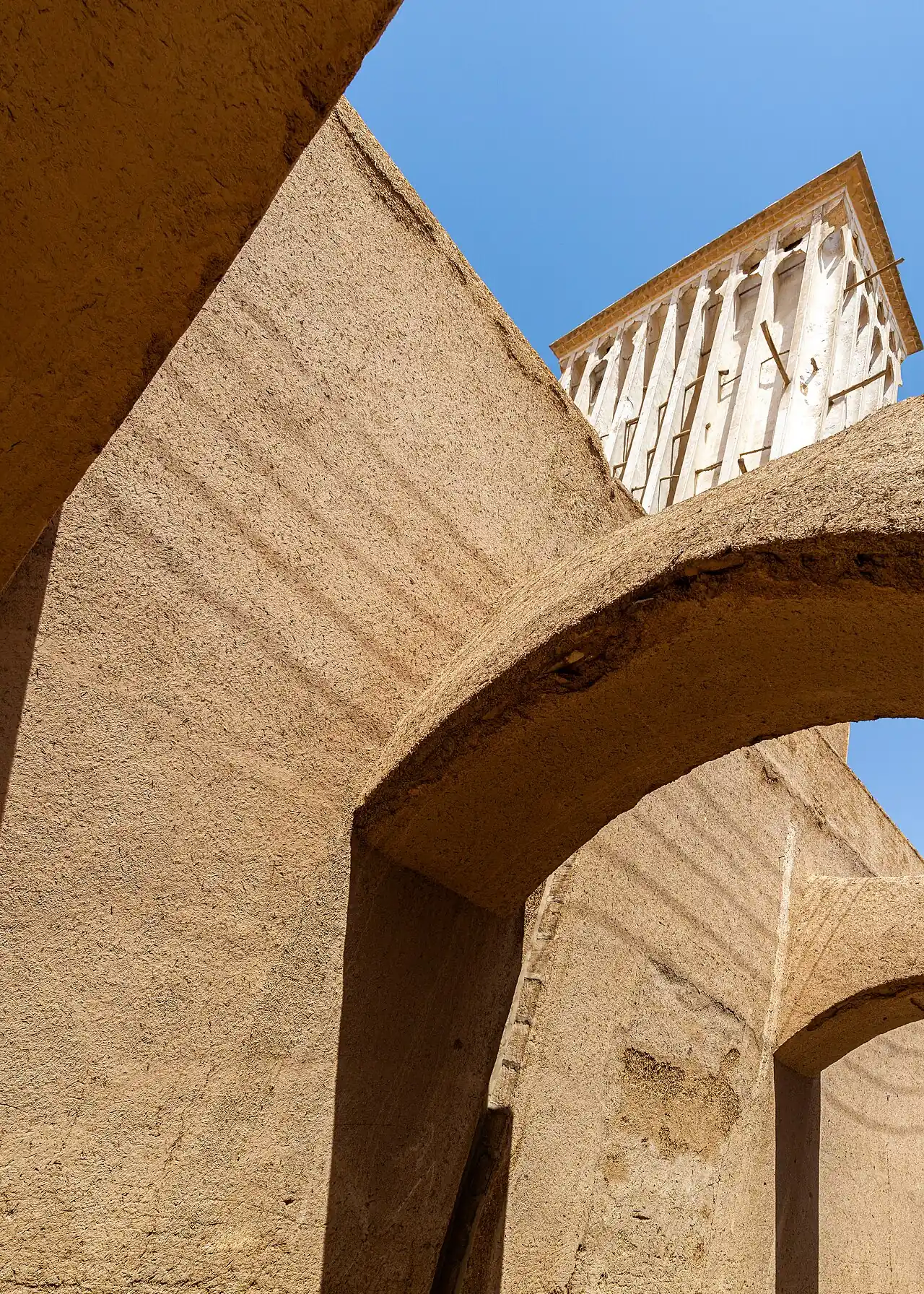 Climate as a material
One speaker designs the air inside a room. The other makes whole buildings and cities use less energy. Both start with energy on the first day of a project.
- Spectral Process
Forget what a swimming pool looks like. First find out what air, heat and light a swimmer needs.
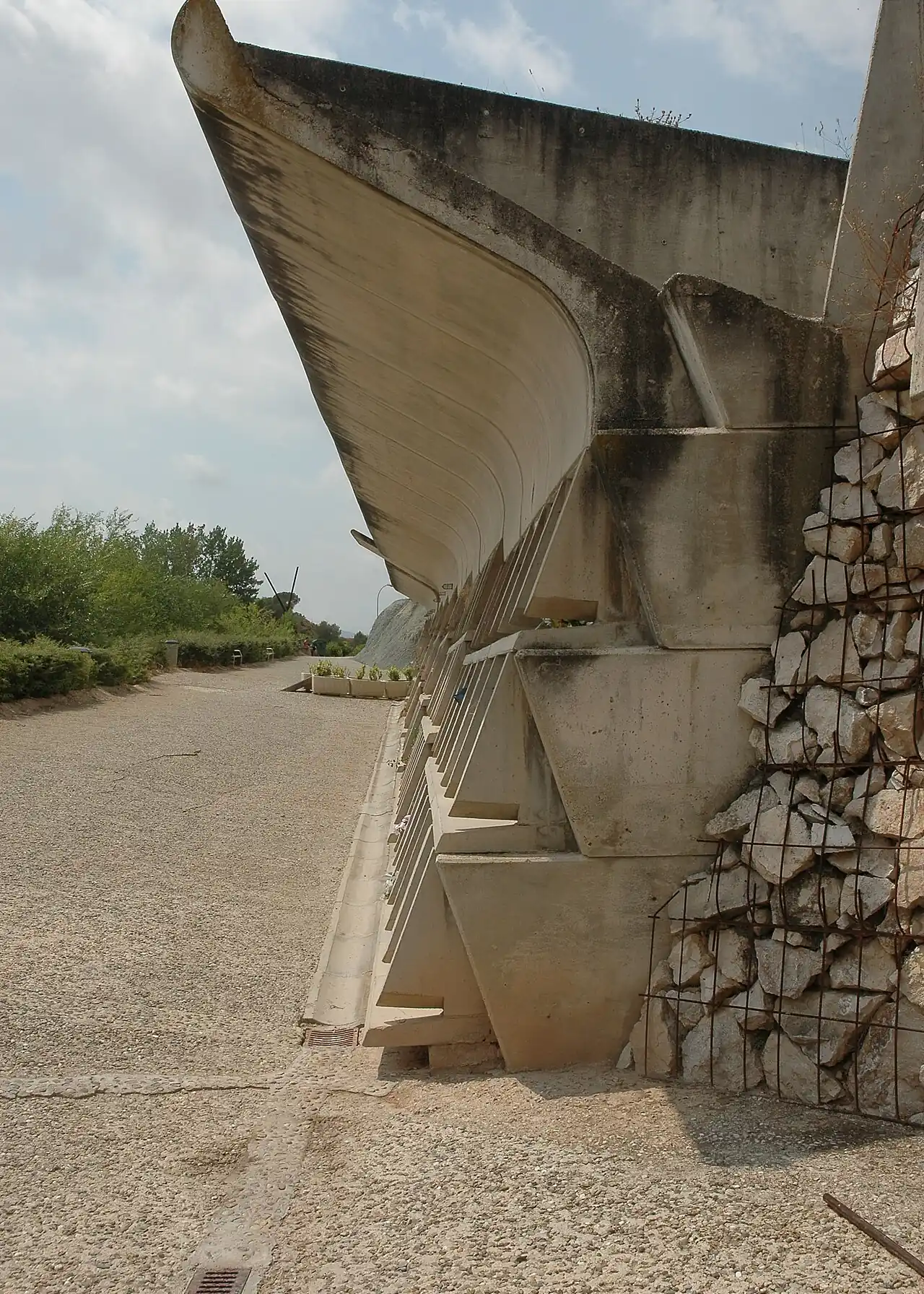 Landform building
A book co-edited by Stan Allen follows a generation of buildings that behave like hills, slopes and sediments.