Josep Lluís Mateo on reinventing the profession
The architect, who has taught at ETH Zurich, on public confidence, the training of architects and the slowdown in European building.
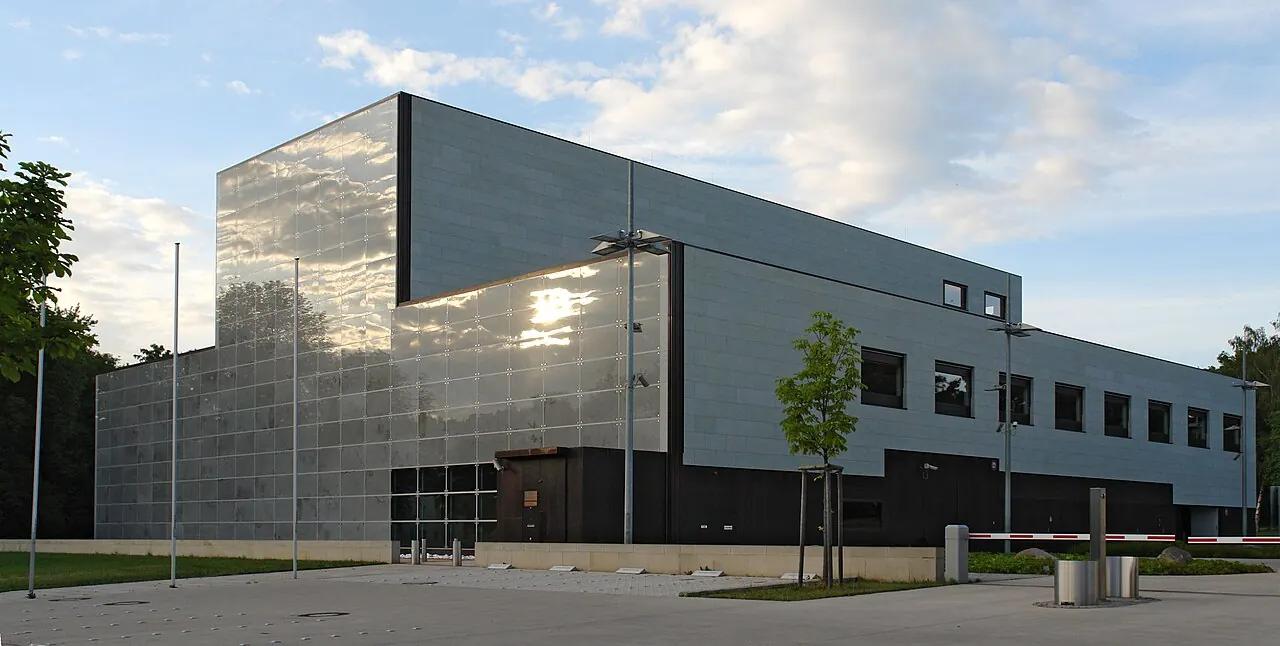

Why was so much less being built in Europe? Josep Lluís Mateo took up that question in a filmed interview for Conditions, a Scandinavian architecture magazine, and analysed some of the reasons. The recordings themselves are missing from the archive this page draws on. The notes that accompanied them do record the subjects.
Conditions was preparing an issue on education, looking for new ways of teaching architecture. Jorge García de la Cámara asked the questions, with Joana Sá Lima, partner and editor of the magazine, present. Excerpts were released in parts. In one, Mateo answered questions about the training of new architects, about experiment in architecture and about how far academic research can be applied.
A profession that has to earn confidence
A short statement published under Mateo’s name gives a clue to his position. The profession, it argues, must be reinvented if it wants to win some public confidence. It also holds that architecture is able, in its essence, to give cultural meaning.
Mateo knows both teaching and practice. He has held a chair of architecture and design at ETH Zurich, the Swiss federal technical university, and has run his own architecture office in Barcelona.
Reading Landform Building
Mateo introduced the launch of Landform Building: Architecture’s New Terrain, a book edited by Stan Allen and Marc McQuade about recent work where city and landscape meet. Iñaki Ábalos and Michael Jakob joined the final discussion.
According to a review of the event, Mateo set aside a mistaken expectation. A reader might take it for a book about movement. He presented it as a book about reifications, a word for ideas that have turned into things. In this case the ideas were the main debates in landscape and urbanism over the previous fifteen years, made solid.
He was also chosen to close a symposium on the city after industry, with a lecture that would introduce the general discussion.
Read next
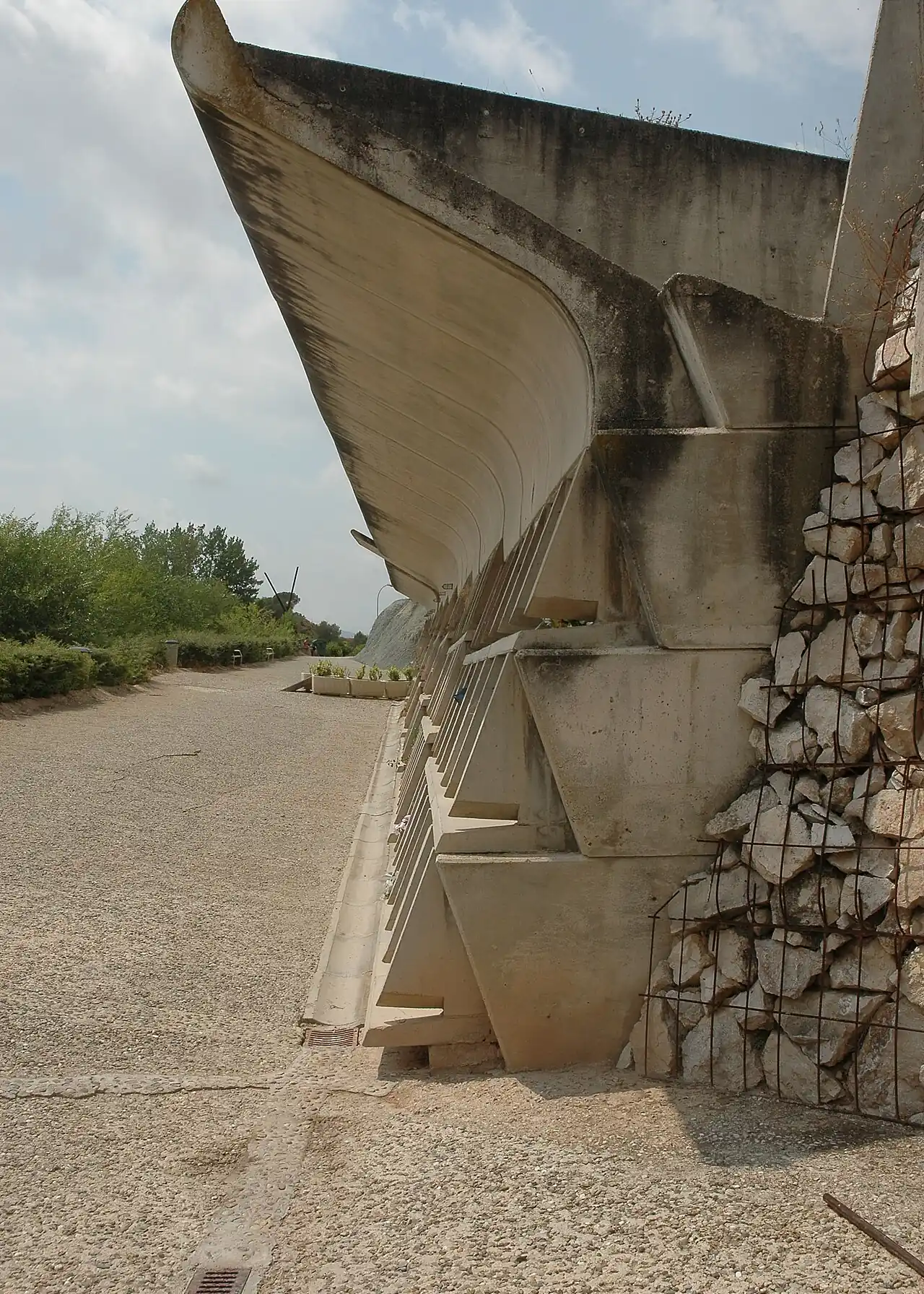 Landform building
A book co-edited by Stan Allen follows a generation of buildings that behave like hills, slopes and sediments.
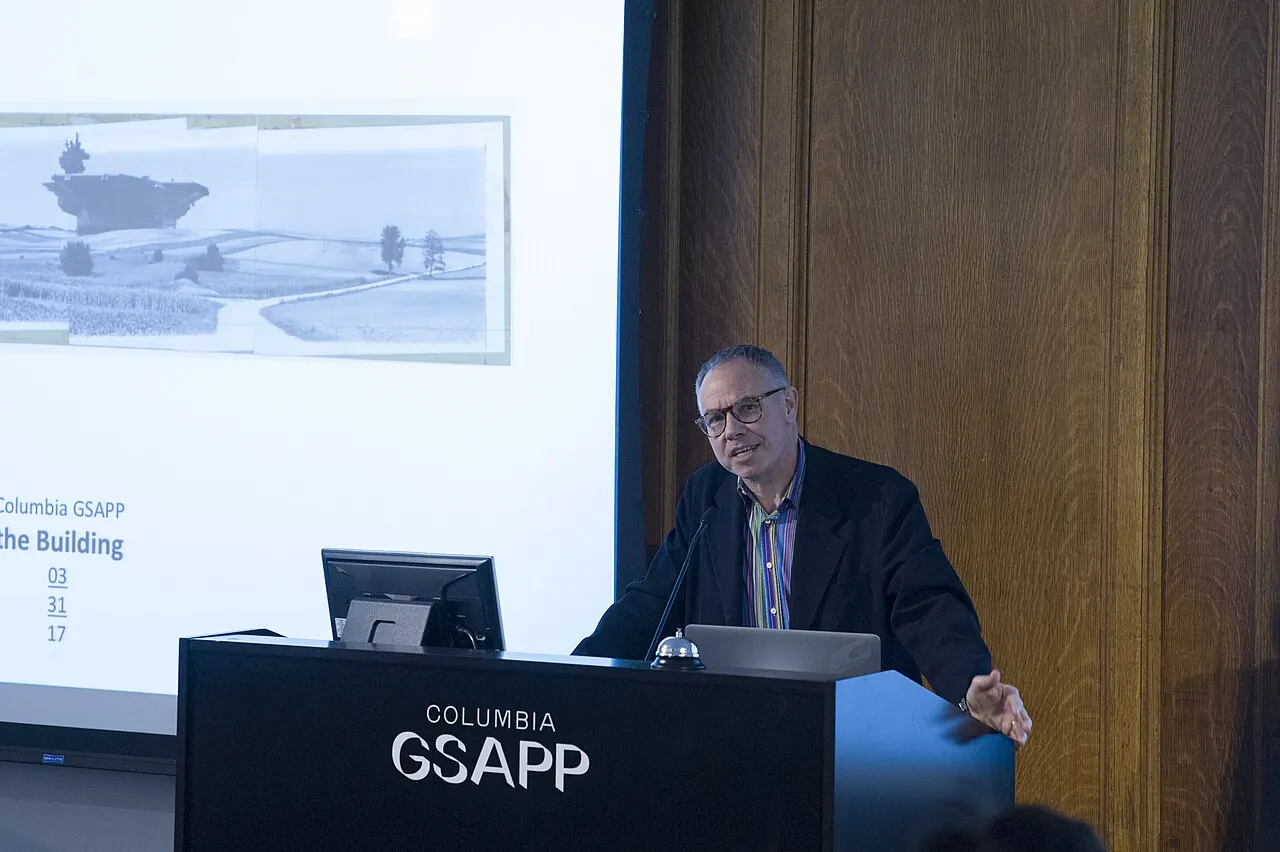 Stan Allen
A New York architect who has combined building and writing with a long career in teaching.
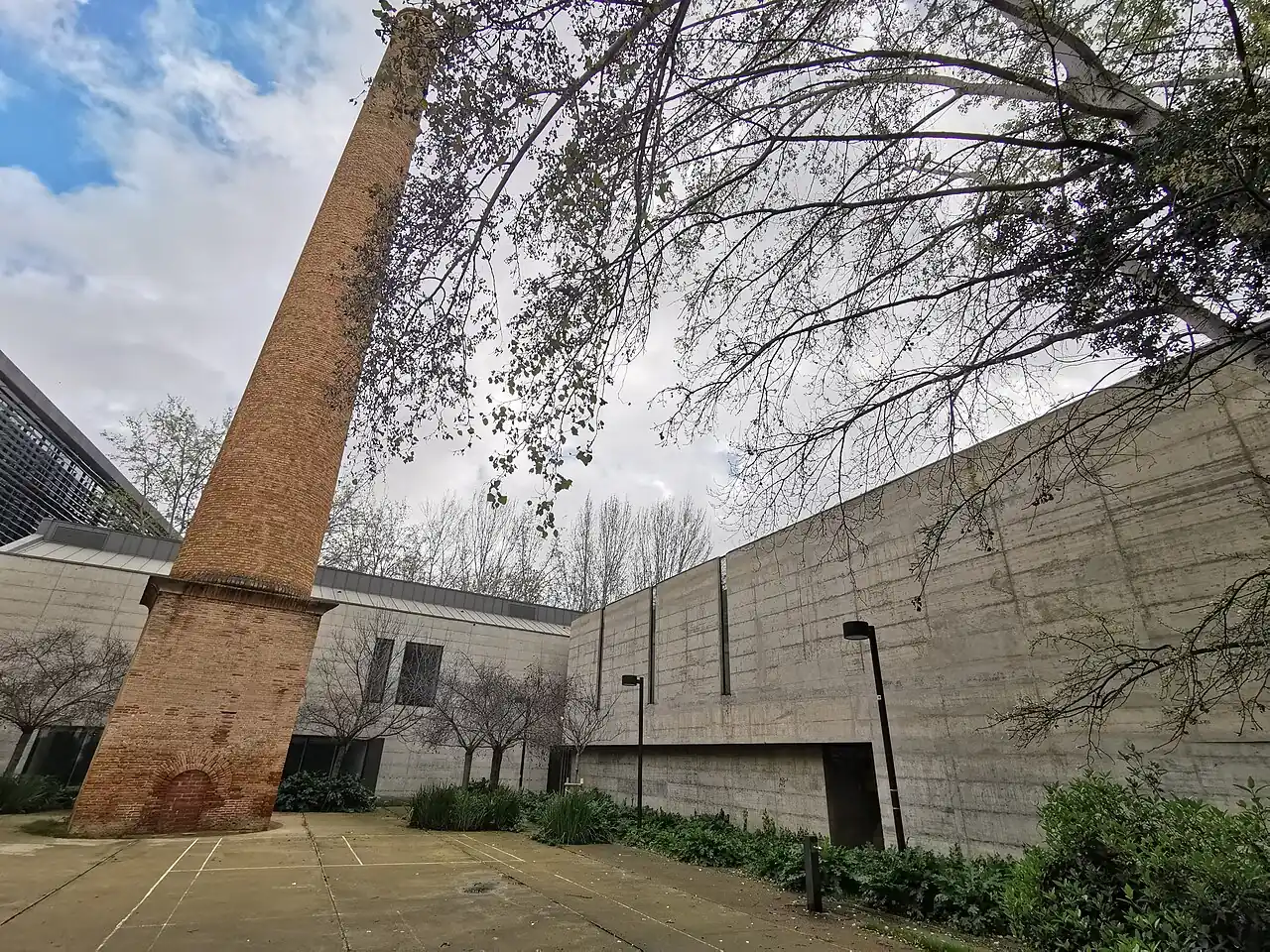 The city after industry
What holds a city together once factories stop organising it? A symposium split the question into four parts and paired Barcelona with Moscow.