Yung Ho Chang and Atelier FCJZ
The name of his Beijing firm means unusual architecture. The buildings range from echoes of courtyard houses to shows of new technology.
Feichang Jianzhu translates as “unusual architecture”. Shortened to four letters, it became the name of Atelier FCJZ, the Beijing firm that the architect Yung Ho Chang founded. Texts about him describe it as the first private architecture firm in China.
A long stay in America
Chang took his master’s degree in architecture at the University of California, Berkeley. He then taught in the United States for about 15 years before he returned to Beijing and opened the firm.
Teaching stayed part of his life. He founded the Graduate Center of Architecture at Peking University and was its first director. Later he headed the architecture department at the Massachusetts Institute of Technology. He also held the Kenzo Tange Chair at Harvard’s Graduate School of Design.
Split House, Dream Cube and a pavilion in Jinhua
The work comes in very different sizes. Split House is part of the Commune by the Great Wall. There is a pavilion in Jinhua park. Dream Cube was the Shanghai Corporate Pavilion at the Shanghai Expo, and photographs of it include a view of an escalator.
Houses and small tourist buildings by the firm recall two sources at once. One is the Chinese courtyard house, where rooms gather around an open yard. The other is classic American modernism. At the larger end are public commissions and complexes that mix several uses. The public buildings are bold in design and make a show of advanced technology.
Local and global
Texts about Chang describe a constant debate in contemporary China between local character and a stronger global presence. His buildings look for a balance between the two, or play one against the other.
The means are physical. The firm puts its weight on material and on the actual process of making a building. Chang’s research covers the city, materiality (how a building’s stuff looks and feels) and tradition.
He has also exhibited as an artist. He received the UNESCO Prize for the Promotion of the Arts and published a monograph, Yung Ho Chang/Atelier Feichang Jianzhu: A Chinese Practice. At an advisory meeting he stressed that architecture has to rest on a discipline fed by exchange between teaching, research and practice. A lecture he gave in Barcelona carried the title “China, Carb, City, China”.
Read next
- Riken Yamamoto
A Japanese architect who started with unusual houses and went on to large commissions in four countries.
 Four ways of practising
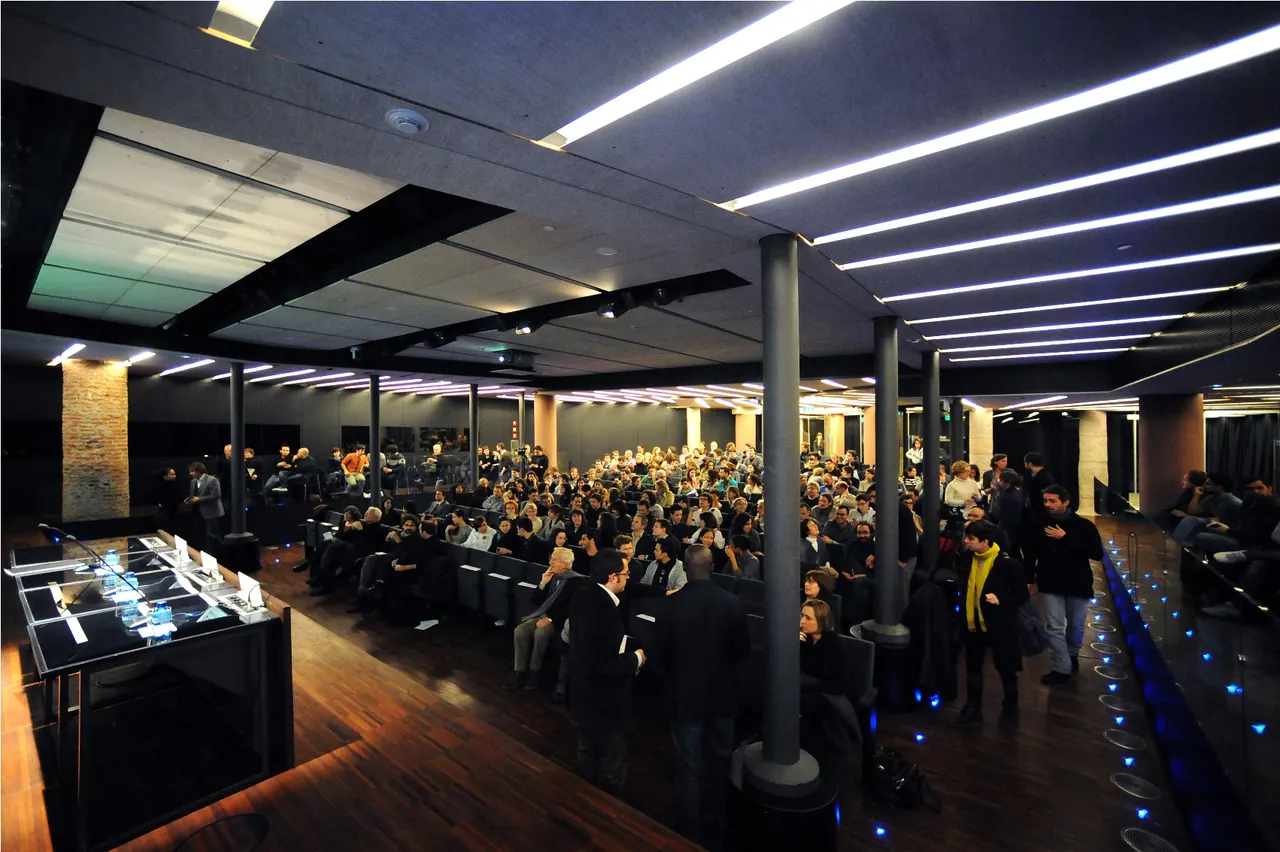
Panorama set out to put four studios in front of one audience, with short talks and a shared discussion.
 Yoshiharu Tsukamoto
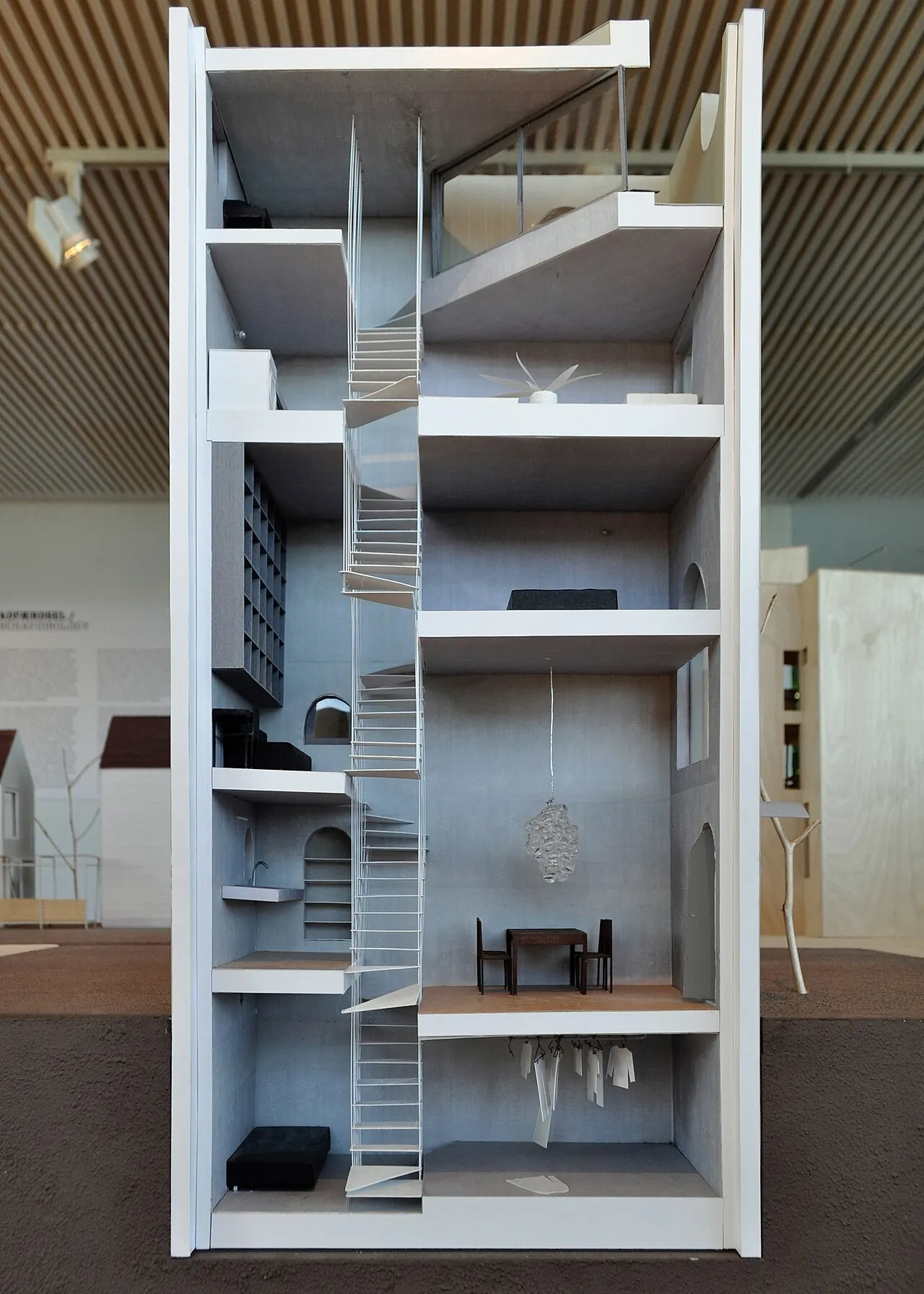
A Tokyo architect whose practice has made houses for tiny plots, guidebooks to odd buildings and chairs shaped like dogs.